
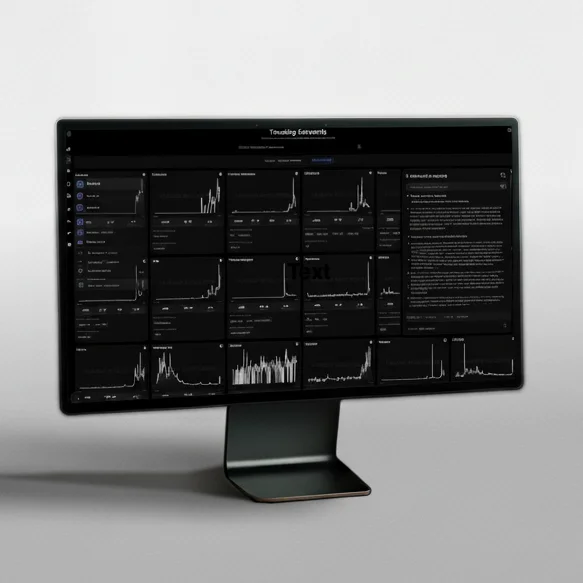



Macro investors face a structural problem with traditional economic data: it is backward-looking, low-frequency, and heavily revised. GDP figures are released quarterly and revised multiple times. PMI surveys are monthly. Even high-frequency indicators like weekly jobless claims or credit card spending data represent a narrow slice of economic activity.
Alternative data offers something different for macro analysis: a continuous, real-time view of aggregate economic activity derived from billions of digital signals, spanning geographies, sectors, and consumer behaviors. When aggregated into a