
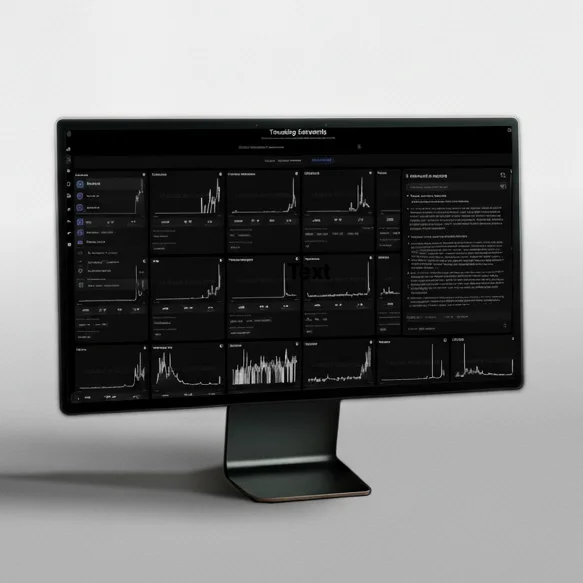
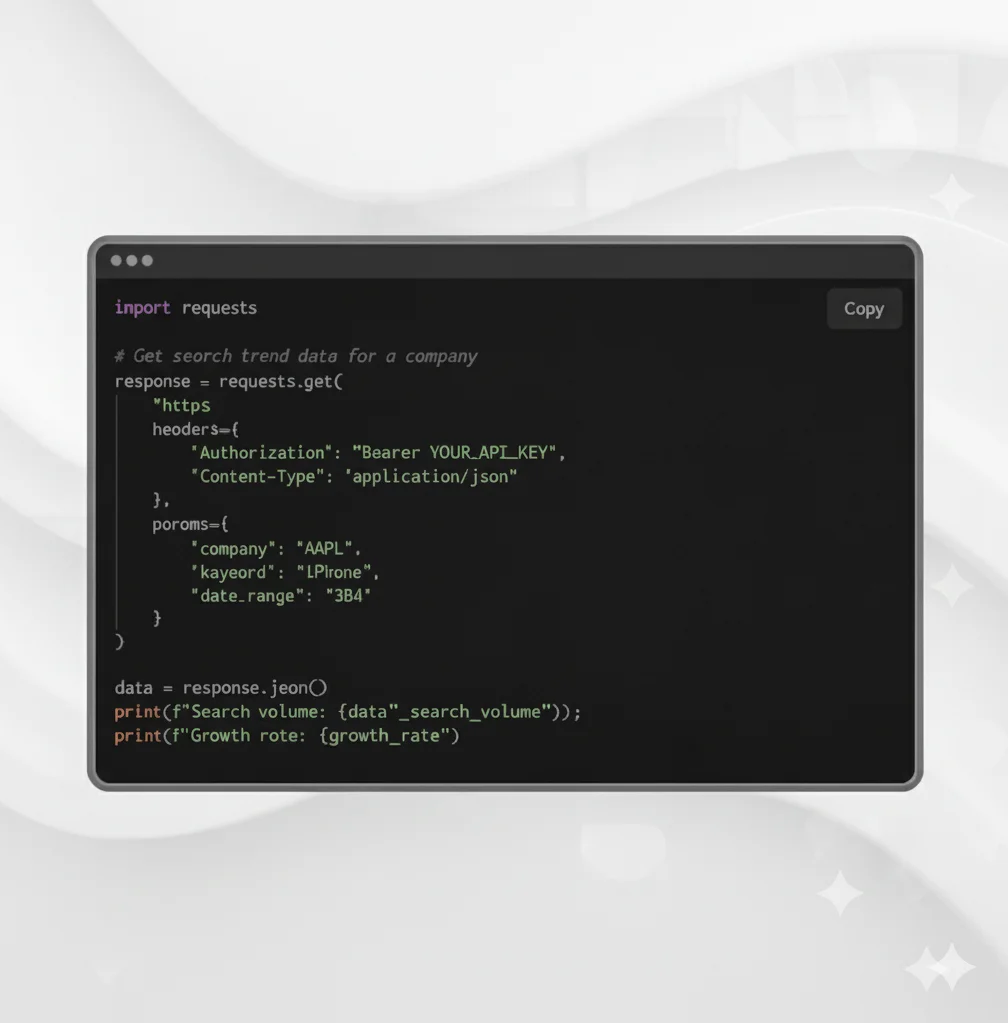


Electronics manufacturers are moving to secure backup switch suppliers, according to multiple independent news sources cited in Paradox Intelligence's Paradox Alerts early-signal stream on March 24, 2026. The proximate driver appears to be geopolitical and trade risk rather than an active shortage, but the procurement behavior is real and creates second-order demand for non-concentrated suppliers.
The Change
Simultaneous headlines from Barchart.com and Mirror-Democrat on March 24 (sourced from an electronics industry wire) described electronics makers actively racing to secure backup switch suppliers. The headline appeared twice in independent distribution channels within 24 hours, elevating it above single-source noise.
The Paradox Alerts "race to secure" keyword stream caught this signal 24-48 hours before it reached mainstream financial media. At the same time, the "supply chain concentration" alert stream on March 23 specifically cited China's dominance in critical electronics components as a sourcing risk for manufacturers globally.
The behavioral data corroborates the alert signal: Google News normalized interest in "switch semiconductor" reached a score of 100 (peak interest) in the week of March 21, 2026, versus a baseline of 0 for the same period in 2025. Google News interest in "power semiconductor" reached 44 in the same week, also from a baseline of 0 a year earlier. Neither of these readings existed twelve months ago.
Why the Market Has Not Fully Priced It
The current consensus narrative around semiconductor supply chains focuses on AI chips, HBM memory, and advanced packaging. Passive and discrete components, including switches, capacitors, and power semiconductors, receive far less investor attention despite being equally critical to production lines in industrial, automotive, and consumer electronics.
The procurement behavior being described, specifically manufacturers seeking backup suppliers rather than just primary sources, is a leading indicator of inventory building and supply chain diversification. That demand flows directly to second and third-tier suppliers who can offer qualified alternatives to incumbent Chinese and concentrated Asian sources.
Sell-side models for power semiconductor suppliers do not typically account for sudden demand acceleration from supply chain diversification. When a procurement cycle starts at the OEM level, it typically takes one to three quarters to show up in supplier order books and then revenue.
Evidence
-
Paradox Alerts "race to secure" (March 24, 2026): Two independent publications cited the same electronics industry wire on "electronics makers racing to secure backup switch suppliers." This matches the structural vocabulary the early-signal stream is calibrated to detect.
-
Google News (switch semiconductor): normalized score of 100 in the week ending March 21, 2026. The 12-month and 3-month prior baselines were both 0. This is not a continuation of existing coverage; it is a new signal.
-
Google News (power semiconductor): normalized score of 44 in the same week, versus 0 twelve months ago. Power semiconductors are the broader category within which switch components sit.
-
Paradox Alerts "supply chain concentration" (March 23, 2026): independent coverage specifically flagging rare earth and critical components supply chain concentration as a manufacturing risk in 2026.
-
Google Search (onsemi): up 38% year-over-year in search volume, with approximately 26,500 monthly searches in March 2026 versus approximately 19,300 in March 2025. This reflects sustained investor attention on one of the primary power semiconductor suppliers.
The Investable Bridge
Three names have direct revenue exposure to backup supplier qualification cycles in switch semiconductors and power components:
-
ON Semiconductor (Nasdaq: ON) is one of the largest global providers of power semiconductors and switch components. Its SiC and IGBT product lines serve automotive, industrial, and infrastructure applications. If OEMs are qualifying backup sources, ON is a natural candidate given its US and European manufacturing footprint. The stock has underperformed over the past twelve months, creating a lower-risk entry if revenue surprises to the upside.
-
STMicroelectronics (NYSE: STM) has manufacturing in Europe and Asia and is actively engaged in automotive and industrial switch component supply. Its geographic diversification relative to Chinese suppliers makes it a direct beneficiary of supply chain diversification mandates.
-
Vishay Intertechnology (NYSE: VSH) is the largest diversified discrete semiconductor company, covering resistors, capacitors, and power semiconductors. It has manufacturing in Europe, Israel, and Asia outside China, which positions it as a backup source for components with high supply chain concentration.
The transmission mechanism is direct: backup supplier qualification leads to engineering samples, then qualification testing (typically 3-6 months), then production orders. A procurement diversification cycle starting in Q1 2026 would show up in revenue at these companies in Q3-Q4 2026.
Risks and Failure Modes
The thesis fails if the procurement behavior is precautionary rather than demand-generating. If manufacturers qualify backup sources but do not actually shift volume, revenue upside does not materialize. The signal needs to be monitored through order data, not just procurement headlines.
Additionally, if US-China trade tensions de-escalate materially, the urgency of supply chain diversification declines. The behavioral signals would also reverse if that occurred.
What to Monitor Next
-
ON Semiconductor Q1 2026 guidance (expected late April). Any management commentary on "design wins" in switch or power components from new or returning customers would confirm that the procurement behavior is converting to orders.
-
Google News (switch semiconductor). A sustained reading above 30 over the next 30 days would confirm that institutional media attention is embedding, not just spiking.
-
Paradox Alerts "extended lead times" stream. This keyword currently has minimal items (one item on March 22). If it begins to populate with electronics-specific content, it would signal that the diversification cycle is moving from procurement planning to active supply pressure.
This is for informational purposes only and does not constitute investment advice.