

Why This Matters Now
Iranian forces struck two of the world's largest aluminum smelters on March 28, 2026. Emirates Global Aluminium reported significant damage to its Al Taweelah facility in Abu Dhabi. Aluminium Bahrain confirmed a second strike, compounding closures already underway: Alba had suspended three smelting lines representing 19% of its capacity after the Strait of Hormuz disruption began in late February. The combined effect removed between 4 and 5 million metric tons of annualized aluminum export capacity from the market.
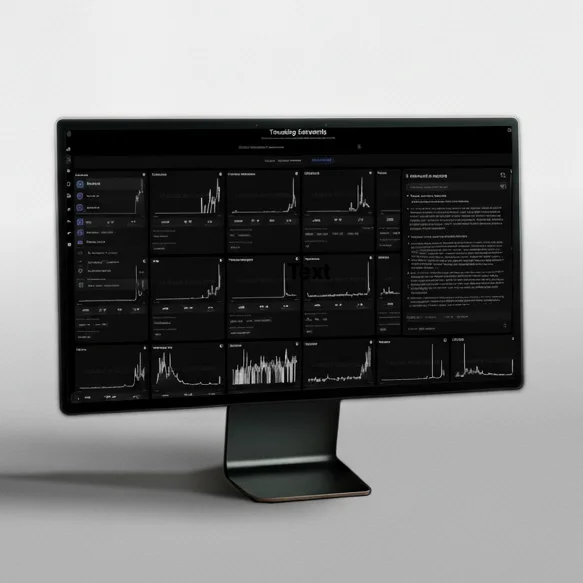
The Paradox Intelligence News Volume and News Sentiment signals for aluminum both accelerated across the week of March 24 to March 31, with coverage concentrated on Gulf supply risk rather than on the investment transmission. That gap is the opportunity.
Why the Market Has Not Fully Priced It
The dominant market narrative around the Hormuz conflict centers on crude oil and LNG. Aluminum has moved sharply on the LME, rising approximately 10% since late February to reach $3,492 per tonne on March 31, the highest level since April 2022. But the equity move in US producers has lagged the commodity.
Alcoa (NYSE: AA) closed March 31 at $66.33, up 4.92% on the day. Century Aluminum (Nasdaq: CENX) closed at $58.69, up 10.22%. Both moves are meaningful but do not fully reflect the duration of the supply gap the data suggests.
Two factors explain the lag. First, the Hormuz situation is typically analyzed as an energy trade, so most portfolio managers reaching for commodity exposure are bidding crude, LNG tankers, and refiners rather than base metals. Second, the aluminum story has multiple independent structural drivers that compress across a single news cycle into one event, making it difficult to assess duration from headlines alone.
Evidence
Paradox Intelligence's News Volume signal for aluminum-linked keywords showed a 67% quarter-over-quarter increase and a 67% year-over-year increase as of March 31 data. Crude tanker keywords showed parallel moves. The co-movement indicates the market is processing both as Hormuz events, but the underlying supply physics differ: crude routes can be redirected around the Cape of Good Hope at added cost and delay; Gulf aluminum exports depend on specific infrastructure, power supply, and shipping lanes with no rapid substitute path.
The Bank of America revised its 2026 aluminum supply shortfall estimate upward to 1.5 million metric tons from 1 million metric tons following the March 28 strikes. LME three-month aluminum inventories contracted 32.6% from Q4 2025 levels to 206,975 tonnes withdrawn by late March.
The US Midwest premium, which reflects what domestic buyers pay above the LME spot price, reached a record $1.10 per pound ($2,425 per tonne) in mid-March. This premium directly flows through to realized prices for Alcoa and Century Aluminum's US operations, which cannot be exported or redirected. They sell into this premium.
Alcoa publicly confirmed it is receiving additional spot orders from customers seeking to reduce Gulf supply exposure. The company operates 11 smelters with 86% renewable energy usage, shielding its cost structure from the natural gas price spikes also hitting Gulf producers. Century Aluminum's Mt. Holly and existing US smelter operations are similarly insulated from direct Hormuz exposure on the supply side while benefiting from the price spike on the revenue side.
The Investable Bridge
For Alcoa (NYSE: AA, market cap approximately $15.4 billion as of March 31), the revenue transmission is direct: higher aluminum prices realized in spot and contract repricing, combined with increased order flow from displaced Gulf buyers. The company had signaled in its JPMorgan conference presentation in early 2026 that it was receiving increased spot demand. Alcoa produced approximately 604,000 metric tons of aluminum in Q4 2025 alone, with 2026 guidance pointing to increased output driven by smelter restarts. Each $100 per tonne increase in realized LME price adds meaningfully to EBITDA across that production base. Q1 2026 earnings are expected on April 16, with analyst consensus at $1.37 per diluted share and $3.47 billion in revenue, representing a 33.6% year-over-year revenue increase. The consensus EPS estimate has been revised down 20.7% over the past 30 days, suggesting the price rally has not yet been fully incorporated into sell-side models.
Century Aluminum (Nasdaq: CENX, market cap approximately $5.6 billion) is a higher-beta proxy for the same thesis. The company targets 630,000 tonnes of shipments in 2026 and is expanding Mt. Holly. It is also 40% partner alongside EGA in the first new US primary aluminum smelter to be built in nearly 50 years in Inola, Oklahoma, though that facility does not produce until 2029. Its existing US operations run on long-term power contracts rather than spot gas, insulating margins during the current energy volatility while revenue captures the elevated Midwest premium. The stock rose 10.22% on March 31 alone, suggesting price discovery is underway but may not be complete if the supply disruption persists through Q2.
The supply gap the data implies is not a week-long event. The Al Taweelah smelter's repair timeline is unknown. Alba is already at 81% capacity and faces ongoing Hormuz logistics constraints regardless of strike damage. The structural arguments for continued tightness extend well beyond the immediate geopolitical catalyst.
Risks
A ceasefire between the US and Iran that reopens the Strait of Hormuz would reduce the logistics premium but would not immediately restore smelter output, which takes weeks to months to restart after sustained curtailments. The structural deficit in 2026 exists independently of direct conflict escalation. The data supports continued tightness even in a partial de-escalation scenario, though the magnitude of price support would narrow.
The more meaningful risk is China. China's capacity ceiling policy has constrained exports, but a policy reversal or emergency waiver would add supply quickly. This scenario depends on domestic political decisions, not market forces, and is therefore difficult to model with high confidence.
The other risk is aluminum demand destruction. If the same Hormuz crisis that disrupts supply also slows global manufacturing activity through energy cost inflation, end-market demand for aluminum in autos, packaging, and construction could soften, limiting how much the supply shock actually translates to revenue.
What to Monitor Next
The key monitoring variable is the LME Midwest premium. A sustained reading above $1.00 per pound confirms that US buyers are not finding alternative supply and are paying for domestic premiums. A sharp decline in the premium before Gulf smelters formally restart would signal that buyers found workarounds the market did not anticipate.
Watch for force majeure resolution announcements from EGA and Alba. A formal declaration of extended force majeure, rather than a temporary outage statement, would confirm that the supply gap will persist through Q2 and into Q3.
Alcoa's Q1 2026 earnings are the data confirmation event. If realized aluminum prices and order volumes show the impact of Gulf displacement, the thesis will be on record. If guidance for Q2 incorporates premium realizations above prior expectations, the market will have hard evidence of the transmission mechanism.
This is for informational purposes only and does not constitute investment advice.