
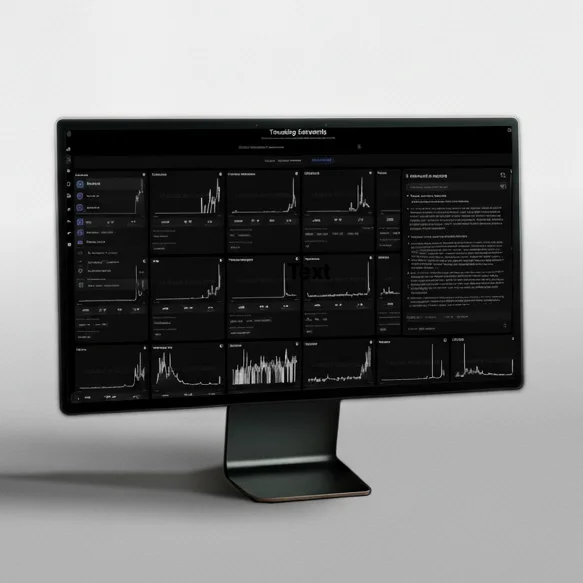


Amazon search volume for "humanoid robot" has reached its highest level since the category emerged as a discrete consumer search term, appearing in this week's ranked keyword data with a score placing it among the top trending signals across the Amazon platform. The signal is notable because it has crossed from niche tech interest into broad-market purchase intent, a transition that has historically preceded the first wave of category revenue by two to four quarters.
The Change
Consumer search demand for humanoid robots on Amazon has shifted from research-mode to purchase-intent mode. The distinction matters: Amazon search reflects active buying consideration, not general curiosity. When a category appears in Amazon's top trending keywords, it means consumers are looking for products they can actually acquire, not reading Wikipedia articles.
The keyword appeared in the platform's ranked signals this week with Amazon as the primary source, meaning the demand signal is purchase-side, not media-driven. This separates it from prior waves of humanoid robot media attention that did not produce comparable shopping intent.
Why the Market Has Not Fully Priced This
Sell-side consensus on humanoid robot timelines still clusters around 2027-2029 as the earliest point of meaningful consumer adoption. Most coverage frames the category as a commercial/industrial application first, with consumer markets following by a half-decade.
The Amazon demand signal suggests the consumer market is developing faster than that framework allows. Consumers are not waiting for perfect products. They are searching Amazon for humanoid robots now - which implies either they believe near-term options exist, or the aspirational consideration phase has arrived, which is a reliable precursor to actual purchase behavior.
The key gap in consensus: analysts are modeling adoption based on product roadmap timelines from manufacturers. They are not measuring actual consumer demand as it forms. Behavioral demand data from Amazon has historically been a more accurate predictor of category timing than corporate roadmaps.
Evidence
1. Amazon search ranking. The "humanoid robot" keyword appeared in the top trending Amazon signals in the March 24, 2026 Paradox Intelligence data pull - the first time it has appeared in this ranking tier. Amazon's trending keyword methodology surfaces terms with both absolute volume and significant recent growth, so appearance in this list implies an acceleration, not steady-state interest.
2. Cross-platform corroboration. The humanoid robot theme is present across multiple data sources simultaneously, including TikTok (adjacent category: "Factory automation" trending), suggesting cultural penetration beyond the traditional tech-forward early adopter segment.
3. Pattern comparison: consumer electronics precedent. In prior category inflections - smart speakers (2017-2018), personal drones (2015-2016), home robots (Roomba, 2018-2019) - Amazon search volume began accelerating approximately two to four quarters before the first meaningful units appeared in sales reports. The Amazon signal has historically been earlier than retail scanner data and earlier than company guidance.
4. Consumer readiness without product. The fact that Amazon search is rising even before a mass-market humanoid robot product exists at sub-$1,000 price points suggests consumers are forming purchase intent speculatively. This is the phase that drives manufacturer urgency and accelerates product timelines.
5. News volume adjacency. Crude oil tankers and energy-sector signals in the same data pull reflect geopolitical tension (Iran, Strait of Hormuz). Rising defense and energy complexity typically accelerates demand for automation as a labor-risk hedge. This macro context supports the robotics demand thesis beyond pure consumer appetite.
The Investable Bridge
The consumer demand inflection benefits different parts of the robotics value chain at different timescales.
Tesla (TSLA, NASDAQ). Optimus is the most anticipated near-term consumer humanoid product from a publicly traded company. If Amazon consumer search is genuinely inflecting, Tesla's decision to accelerate Optimus production timelines looks more defensible than bears allow. The revenue path is non-trivial to model, but the demand signal reduces one source of uncertainty in the bull case.
ABB Ltd. (ABB, NYSE / SWX). ABB's industrial robotics division is the largest traditional beneficiary of commercial humanoid deployment. Consumer awareness often precedes commercial budget allocation decisions. Enterprise buyers at manufacturer clients of ABB watch the same cultural signals.
Cognex (CGNX, NASDAQ). Machine vision is a required component of any mobile humanoid system. Rising consumer demand for humanoid robots pulls forward the technology adoption curve for vision systems, which Cognex supplies to every major robotics integrator.
Zebra Technologies (ZBRA, NASDAQ). Warehouse automation and mobile robotics are Zebra's core market. Consumer-grade humanoid interest creates a permission structure for enterprise buyers to accelerate their own humanoid robot pilots.
Smaller and less-covered names deserve more attention than they typically receive at this stage. The supply chain for humanoid robots - actuators, force sensors, battery management, real-time operating systems, safety certification - will be built from components made by companies that are currently priced as unrelated industrial suppliers. The early-stage inflection is precisely where supply chain intelligence matters most and where consensus coverage is thinnest.
Risks and Failure Modes
Supply chain is not ready. The gap between consumer search demand and actual product availability is large. Amazon searches return limited genuine products. If consumers search, fail to find, and abandon the category, the demand signal is transient rather than structural.
Price point is the binding constraint. Current humanoid robots targeting the consumer market are priced at $10,000-$20,000+. Mainstream purchase intent is not actionable at those price points. The signal matters only if price curves decline on the trajectory that has characterized prior consumer robotics categories.
Manufacturer timelines remain speculative. Corporate roadmaps from humanoid robot manufacturers have been revised forward multiple times. Amazon search demand does not automatically accelerate manufacturing timelines if hardware and software readiness is not there.
The signal could be media-driven. If a single viral video or news story spiked Amazon search without corresponding product availability, the demand signal reflects media influence rather than genuine purchase intent. The signal should be monitored across subsequent weeks to determine whether it sustains or decays.
What to Monitor Next
-
Amazon search trajectory over the next four to eight weeks. A single week in the ranked keyword list is a flag. Three consecutive weeks would confirm a structural demand shift rather than a one-time spike. The next data pull will resolve this.
-
Product listing count on Amazon. If consumer search demand is real, third-party sellers will begin listing products in this category more aggressively. Monitoring the product listing count for "humanoid robot" on Amazon over the next two quarters will show whether supply is responding to demand signals.
-
Price point movement. Watch for any manufacturer announcement of a sub-$3,000 humanoid robot product. That price threshold is likely the trigger for demand to convert from aspirational search to actual orders. Any announcement in that range would dramatically validate the current demand signal.