

RPM International (NYSE: RPM) reports its fiscal first-quarter 2026 earnings before the market open on April 8. The consensus revenue estimate is $1.548 billion, implying 4.86% growth year over year from $1.477 billion in Q1 2025. The setup is complicated: a consumer products segment under pressure from DIY softness, a construction segment that has been outperforming, and a tariff headwind that management flagged at $90-95 million annually. The search data adds a layer the model does not fully capture.
What the Data Shows
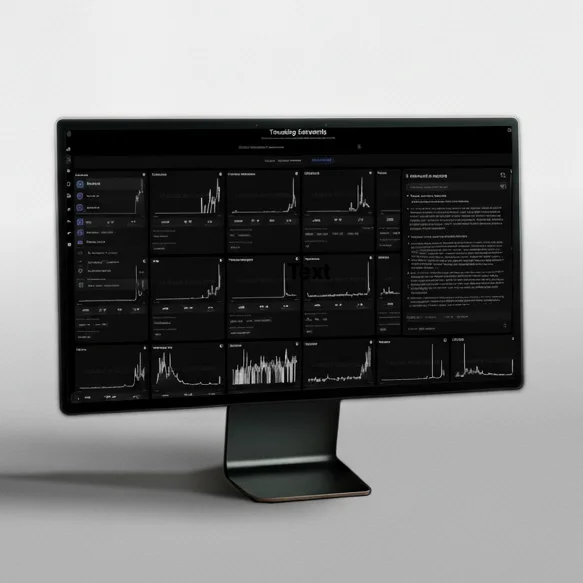
Google Shopping interest for "DAP caulk" reached a normalized score of 100 in the week of April 4, up from 0 three months ago and 0 a year ago. This is a discrete product-level signal, not a general demand gauge. DAP is a brand within RPM's Consumer segment, manufacturing caulks, sealants, adhesives, and patching compounds sold through home improvement retail channels.
The broader "DAP" keyword in Google Shopping showed a QoQ increase of 150% and a YoY increase of 89%. This is purchase-intent search — people actively looking to buy a product, not just reading about it.
RPM's Consumer segment generated $2.414 billion in fiscal year 2025 revenue, representing 32.7% of total company revenue. The Construction Products Group (CPG) was larger at $2.767 billion (37.5% of revenue). The consumer segment includes brands like Rust-Oleum, DAP, and Varathane — DIY-facing products sold through Home Depot, Lowe's, and similar retailers.
The complication is that Q1 of RPM's fiscal year (ending August 31) corresponds to the summer painting and home maintenance season — the same window when purchase-intent search tends to peak. Last quarter (Q1 fiscal 2026, reported in August 2025), RPM delivered record results: $2.11 billion in revenue (+7.4% YoY) and record adjusted EPS of $1.88. But those results reflected the summer peak. The fiscal Q1 period now in question (ending February 28, 2026) is the seasonally weakest quarter — Q1 of the calendar year, not the fiscal year.
Wait. The earnings reporting schedule here requires precision. RPM's fiscal year ends May 31. Its "Q1 fiscal 2026" ended August 31, 2025. The earnings scheduled for April 8, 2026 are for Q3 fiscal 2026, ending February 28, 2026. The consensus revenue estimate of $1.548 billion (up 4.86% from $1.477 billion in Q3 fiscal 2025) reflects the winter/early spring quarter.
Why This Quarter Matters
The February quarter is when RPM's consumer segment sees its seasonal trough. Home improvement activity slows in winter. Tariff-related cost inflation (the company flagged $90-95 million annually, with roughly half mitigated through pricing or sourcing adjustments) is a headwind that falls disproportionately on the consumer segment, which sources materials globally.
The DAP and Rust-Oleum product lines are sold at retail price points where consumers are sensitive to increases. If the tariff headwind compressed consumer segment margins more than expected — or if management indicates the second half of fiscal 2026 faces additional tariff exposure — the stock's reaction will hinge on that guidance, not just the top-line beat.
The Construction Products Group, by contrast, has been the structural outperformer. Roofing, waterproofing, and building envelope systems have been driven by infrastructure and commercial construction activity. CPG grew 6% or better in Q1 FY2026 (the August quarter) and consensus expects continued growth in the February quarter as repair-and-maintenance projects fill the seasonal gap.
The Signal's Limits
The DAP Google Shopping spike to a score of 100 this week (April 4) likely reflects early spring prep demand rather than February-quarter purchasing. The February quarter ended seven weeks ago. What the signal may be telling us is that Q4 fiscal 2026 (the May quarter, reported in July) will benefit from strong spring consumer activity — a forward-looking indicator, not a current-quarter validator.
This is a meaningful distinction. The market will price RPM on April 8 based on the February results. The Google Shopping signal is probably most relevant to the May quarter outlook.
The Investable Bridge
RPM International trades at $97.97, near the low end of its 52-week range of $92.92-$129.12, with a market cap of $12.5 billion. The stock is down more than 24% from its 52-week high. Consensus expects Q3 fiscal 2026 EPS of $0.37 versus $0.35 in the year-ago quarter — a thin beat with limited margin for guidance disappointment.
If RPM reports in line and management provides constructive commentary on the spring consumer season and tariff pass-through progress, the stock's valuation at the low end of its range begins to look interesting. The consumer segment Google Shopping signal suggests the spring restock cycle is underway, which would support positive Q4 fiscal 2026 guidance.
The construction segment signal remains the core bull case. CPG's exposure to repair-and-maintenance infrastructure continues to be driven by aging building stock and increasing awareness of building performance requirements — a demand driver that is not cyclical in the same way as DIY.
Risks and Failure Modes
The thesis breaks if tariff costs are proving harder to pass through than management indicated in January, or if the consumer segment is experiencing volume declines beyond seasonal softness. An inventory overhang at retail (Home Depot and Lowe's both have significant RPM consumer product exposure) would show up in sales below the consensus estimate. Management guidance that pushes fiscal 2026 EPS below current annual consensus would likely drive a further leg down from current levels.
The seasonality risk also runs in the other direction. The DAP Google Shopping spike is a current signal, not a February signal. If RPM guides for strong Q4 but misses Q3, the near-term reaction may be negative even if the intermediate thesis is intact.
What to Monitor
The most important number on April 8 will be management's commentary on tariff mitigation progress in H2 FY2026 and the consumer segment trajectory. If the company confirms the spring demand environment is strong and that pricing actions are sufficient to offset tariff headwinds, the stock's discount to its historical range becomes a setup. Google Shopping for "Rust-Oleum" and "DAP" through May will indicate whether the spring consumer demand signal is sustained.
This is for informational purposes only and does not constitute investment advice.