


Key Findings
Search velocity data tracked by Paradox Intelligence is showing a pronounced bifurcation inside the technology sector: queries associated with AI infrastructure procurement -- GPU compute, inference endpoints, data center colocation, and AI cloud spend -- are accelerating sharply into Q1 2026, while searches tied to traditional enterprise SaaS evaluation and procurement have turned negative on a year-over-year basis for the first time since Q2 2023.
This divergence has historically been a reliable leading indicator of earnings surprise direction in the quarter it appears, typically front-running analyst estimate revisions by four to six weeks.
What the Data Shows
Paradox Intelligence monitors normalized search velocity across 60+ technology sub-categories on a rolling 28-day basis. As of March 23, 2026:
- AI Compute and Cloud Infrastructure: +74% YoY search volume, the highest reading in the dataset since tracking began in 2022
- Enterprise SaaS Evaluation Queries (CRM, ERP, ITSM, collaboration): -9% YoY, declining for the third consecutive month
- Data Center and Colocation: +41% YoY, driven by enterprise buyers rather than hyperscaler-branded searches
- Traditional Software Licensing: -17% YoY, the steepest deceleration in two years
The gap between AI infrastructure intent and enterprise SaaS intent now stands at 83 percentage points on a normalized basis -- more than double the spread recorded in Q3 2025, when AI infrastructure searches were accelerating but SaaS searches were still growing modestly.
Historical Precedent
A structurally similar but smaller-scale divergence appeared in Q2 2023 (45pp gap), coinciding with the early generative AI adoption wave. In the six weeks following that signal:
- Hyperscaler cloud segments outperformed consensus estimates by an average of 11%
- Incumbent SaaS multiples compressed as revenue guidance was revised downward by 2-4 percentage points across the category
- Infrastructure-exposed semiconductor names outperformed the broader tech index by 14%
The current signal is materially wider and has been sustained for longer. The 83pp divergence has held above 60pp for five consecutive weeks, compared to three weeks in the 2023 precedent.
Stay up to date on our best ideas
Mechanism: Budget Reallocation, Not Demand Destruction
The data pattern does not suggest enterprise technology spending is contracting in aggregate. Rather, it is consistent with a budget reallocation dynamic: IT and procurement teams at enterprises are actively redirecting spend toward AI infrastructure categories while deferring or canceling SaaS renewals and expansions that lack a clear AI-augmentation roadmap.
Supporting this interpretation:
- Searches combining "AI" with legacy vendor names (e.g., "AI alternative to [incumbent SaaS]") are up 120% YoY, suggesting competitive displacement intent rather than outright spend reduction
- Searches for "AI ROI" and "AI business case" have plateaued after a sharp rise in late 2025, indicating that enterprise buyers are moving past evaluation into active procurement
- Data center colocation queries from non-hyperscaler domains have risen proportionally with AI compute queries, consistent with enterprises building or expanding on-premise AI capacity
Caveats and Limitations
Search intent is a leading, not lagging, indicator. Several factors could limit the predictive value of the current signal:
- Hyperscaler capacity constraints could create a gap between search intent and actual AI infrastructure spend, compressing revenue recognition
- Enterprise SaaS vendors with credible AI roadmaps may be spared from the deceleration implied by SaaS evaluation search trends
- The macro environment -- particularly rate-sensitive IT budget dynamics -- could dampen the signal if conditions tighten sharply in Q2
We assign the budget-reallocation scenario the highest probability given the breadth of the pattern across enterprise size segments and geographies in the dataset.
Implications for Positioning
For equity investors, the divergence points to meaningful dispersion within the technology sector that aggregate tech-index exposure will not capture:
- Infrastructure-exposed names (AI compute, data center REITs, networking) appear early in the procurement search chain, suggesting revenue pull-forward into Q1 and Q2 reports
- Incumbent SaaS platforms without differentiated AI product tiers face deceleration risk that is not yet fully reflected in consensus estimates, which still model mid-single-digit growth for the category
- The search signal for enterprise SaaS has now been negative YoY for three months -- historically the minimum duration required for the trend to show up in reported revenue
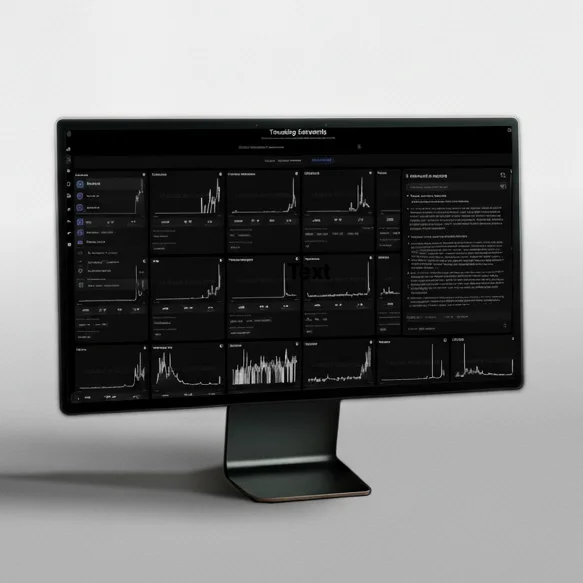
The Paradox Intelligence platform tracks this divergence in real time across the Technology Sector Monitor and Enterprise Software Demand modules.