


Greenbrier Companies (NYSE: GBX), the largest US-listed railcar manufacturer, reports Q1 FY2026 results tonight after market close. Consensus estimates call for $663.7 million in revenue and $0.82 EPS — a 51% decline from the $1.69 EPS posted in Q1 FY2025. That expectations reset has pushed the stock down from a 52-week high of $59.19 to $48.36 as of April 7. The alternative data points to a demand environment that consensus may be underestimating.
What the Search Data Shows
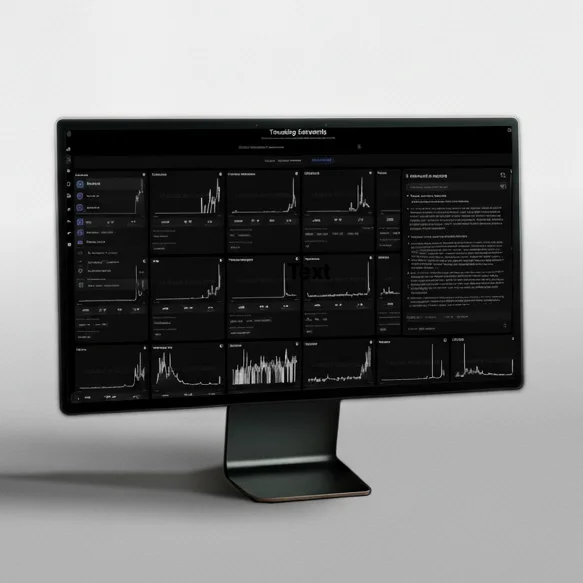
Google Search interest for "tank car" was up 100% year-over-year as of early April, according to Paradox Intelligence data. The reading also increased 33% quarter-over-quarter. This is a genuine change in state: tank car searches were relatively flat for most of 2024 and 2025. The spike began roughly in sync with the escalation of the Iran-US conflict and the Strait of Hormuz closure threat in late Q1 2026.
The mechanism is direct. Tank cars are the primary domestic transport vessel for crude oil, refined products, and liquefied gases when pipeline capacity is constrained or when rerouting is required. A sustained geopolitical disruption to ocean-route oil supply does not eliminate demand for petroleum products — it shifts how and where that demand is fulfilled, and rail becomes a larger part of that equation. When end-users and procurement teams search for tank car availability, they are actively planning freight alternatives.
Greenbrier manufactures pressurized and non-pressurized tank cars, flat cars, covered hopper cars, and intermodal equipment. Tank cars and specialized petroleum freight cars represent a material portion of its manufacturing mix. The company also manages a leasing fleet of approximately 444,000 railcars through its Wheels, Repair & Parts and Leasing & Services segments, providing exposure to utilization rates as well as new orders.
Why the Consensus Decline May Overstate the Damage
The FY2025 revenue decline from $875.9 million to $706.1 million in Q4 FY2025 (the most recent reported quarter) was real and reflected softer freight car demand in the prior macro environment. But the demand backdrop has materially shifted since that quarter closed. The Hormuz crisis, oil-price volatility, and domestic energy infrastructure investment are all factors that historically drive railcar procurement cycles.
Q4 FY2025 beat its own consensus handily: analysts expected $655.5 million and $0.84 EPS; actual results came in at $706.1 million and $1.14 EPS. The pattern of conservative consensus estimates followed by meaningful beats has characterized GBX for the past two reported quarters.
The company's backlog is the forward indicator. GBX does not release backlog data until earnings, but the tank car search signal, combined with the Hormuz-driven disruption to ocean freight routing, suggests that new order inquiries have been elevated in Q1 FY2026. A backlog rebuild — even a modest one — would shift the earnings trajectory conversation materially.
The Information Gap
Most sell-side analysts covering GBX are modeling a continued demand trough based on trailing freight data and pre-conflict oil flow assumptions. The Hormuz closure was not in most Q1 models. The search signal suggests procurement activity accelerated during the quarter in a way that quarterly freight data (which lags) has not yet captured.
The market is pricing GBX as if the prior soft-demand cycle continues. The search data implies the demand environment for tank cars and petroleum railcar equipment changed meaningfully during Q1 FY2026 in ways that may not surface in tonight's results but should appear in backlog and order data.
Risks
Tank car demand spikes tied to a geopolitical shock can reverse quickly. If the Iran-US ceasefire discussions reported this weekend conclude in a deal and the Strait reopens, the rerouting dynamic that drove search interest could normalize rapidly. Greenbrier's backlog has a multi-quarter lag between order and delivery, meaning tonight's revenue may not yet reflect Q1 order momentum in the manufacturing line. Q2 and Q3 will be the truer tests.
GBX also carries meaningful operational leverage. With 14,200 employees and capital-intensive manufacturing, a demand shortfall translates quickly to margin pressure. The stock's beta of 1.61 amplifies both the upside if the data signals are correct and the downside if the thesis is wrong.
What to Monitor
Backlog announced on tonight's earnings call is the primary signal. Order flow commentary from management specific to tank cars and petroleum freight equipment is the secondary indicator. The weekly petroleum railcar loadings data from the Association of American Railroads, published weekly, will be the ongoing monitor for whether the search demand translated into actual incremental freight volume.
This is for informational purposes only and does not constitute investment advice.