
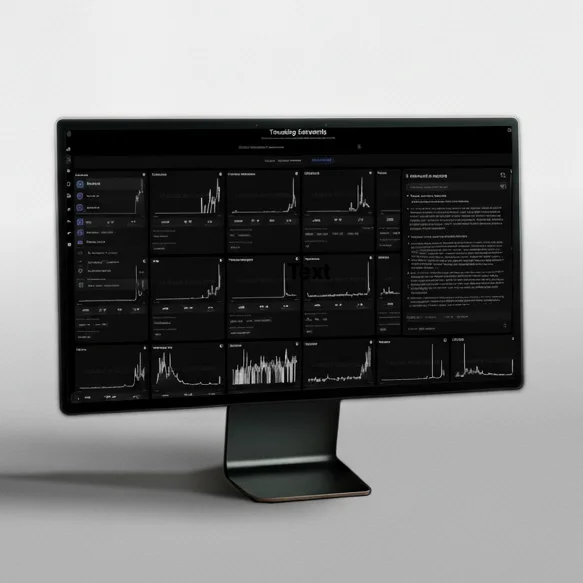

The U.S. defense industrial base is running into physical constraints that policy decisions alone cannot solve. Naval shipbuilding is delivering approximately half the annual ship production the Navy targets. Aircraft parts supply chains are under sustained positive demand pressure. Paradox Intelligence demand signals are converging across naval vessels and aircraft components in the same data window, indicating this is not a single-event catalyst but a structural buildout.
The Structural Shift
Defense spending has accelerated faster than the manufacturing infrastructure can respond. The fiscal 2026 defense budget allocated $27.2 billion for Navy shipbuilding to procure 17 vessels. The proposed fiscal 2027 budget, framed by Navy Secretary John Phelan in February 2026, could double ship procurement to at least 34 vessels. The problem is not funding. The Navy is on track to deliver 11 Virginia-class submarines against a target of 19 by 2034. For Arleigh Burke destroyers, the tracking number is 8.6 against a 26-vessel target.
These gaps are not procurement failures. They are production capacity failures, rooted in workforce, supplier depth, and facility constraints built over two decades of under-investment in the industrial base. They do not resolve in one or two years. They resolve over five to ten years, and the companies positioned in this supply chain carry that revenue visibility.
Why This Is Structural, Not Cyclical
The bottleneck mechanisms here are not sensitive to quarterly demand fluctuations. Shipyard welders and nuclear-certified pipe fitters take years to train and certify. Submarine hull sections require specialized titanium and high-strength steel forging capacity that cannot be rapidly expanded. The Constellation-class frigate program was canceled in early 2026 after $2 billion in expenditure produced zero vessels, the result of design creep and contractor scope changes at Fincantieri Marinette Marine, a program that had no comparable prior production run to draw from.
Aircraft parts show a parallel structural pattern. HEICO Corporation (HEI) and VSE Corporation (VSEC) operate in aftermarket aerospace components, a sector directly exposed to aging military and commercial fleets requiring more maintenance and parts per flight hour as aircraft age beyond their original design lives. Paradox Intelligence news sentiment data for "aircraft parts" was up 67% year-over-year as of March 29, 2026, with news volume also elevated. That combination, rising sentiment and rising volume, in an industrial sector typically indicates genuine demand pull, not a media cycle.
Evidence Across Sources
Paradox Intelligence ranked keyword data as of March 29, 2026 shows:
- "Naval ships": Google News up 75% QoQ and YoY across 4 sources; Wikipedia and YouTube also showing positive QoQ momentum
- "Naval vessels": News Volume up 67% YoY; News Sentiment 67% YoY positive
- "Aircraft parts": News Sentiment up 67% YoY; News Volume up 67% YoY
- "Crude oil tankers" and "Tanker Shipping": both elevated in news volume, reflecting the broader Iran war shipping constraint that runs parallel to the defense theme
The naval signal is corroborated by the Paradox Alerts current events stream from March 29, 2026, which flagged a "multi year backlog" alert for Quanta Services (PWR) in the context of infrastructure backlogs. While that is a different sector, it reflects the same pattern: backlog duration extending beyond normal business cycles across physical infrastructure build categories simultaneously.
The Exposed Equity Universe
Direct beneficiaries (primary exposure):
Huntington Ingalls Industries (HII, NYSE) is the largest U.S. military shipbuilder and the only domestic producer of nuclear-powered aircraft carriers. The Navy's production gap thesis runs directly through HII's Newport News and Ingalls shipyards. HII has a 10-year government backlog that is extending, not shrinking, as the 2027 budget request materializes. The transmission mechanism is straightforward: more ship orders at higher prices, extended over longer contract cycles.
General Dynamics (GD, NYSE) builds Virginia-class and Columbia-class submarines at Electric Boat. The submarine program is one of the most constrained segments of the Navy build program. GD's Electric Boat division is actively expanding workforce and facilities to meet demand it cannot currently address.
Second-order beneficiaries:
HEICO Corporation (HEI, NYSE) is the premier aftermarket aerospace components manufacturer, supplying FAA-approved parts at lower cost than OEM alternatives. As military aircraft fleets age and maintenance cycles increase under wartime operational tempos, HEICO's parts volume grows without requiring new aircraft procurement. HEICO reports Q2 2026 in May.
VSE Corporation (VSEC, Nasdaq) provides aviation supply chain management, maintenance support, and aftermarket parts services for both military and commercial fleets. The defense segment carries multi-year government contracts that provide revenue visibility the market typically discounts.
Lockheed Martin (LMT, NYSE) and Northrop Grumman (NOC, NYSE) have direct exposure through F-35 production rate discussions and long-range strike programs, but their near-term revenue line is less directly tied to the supply chain constraint thesis than the shipbuilders and aftermarket parts providers.
Companies at risk:
Smaller defense subcontractors without long-term contract lock-in face input cost inflation from the same workforce and materials pressures that benefit the prime contractors. If subcontractor margins compress, prime contractors' ability to deliver on fixed-price contracts faces risk. The Constellation-class cancellation was partly a consequence of this dynamic.
What Could Change the Thesis
A rapid resolution of the Iran conflict that reduces European defense spending urgency could slow the near-term political momentum behind allied shipbuilding investment. However, U.S. naval shipbuilding demand is structurally driven by Pacific deterrence posture, not the Middle East conflict, and that rationale is bipartisan and multi-year.
If the 2027 defense budget is significantly scaled back from Secretary Phelan's February framing, the doubling of ship procurement does not materialize and the backlog extension slows. That is a legislative risk, not an operational one. The current congressional posture is strongly supportive of the maritime industrial base.
Monitoring Signals
Four data points to track over the coming months:
- HII Q1 2026 earnings in late April: book-to-bill ratio and any commentary on labor headcount expansion at Newport News
- HEICO Q2 2026 earnings in May: military MRO revenue growth rate versus commercial
- Paradox Intelligence "aircraft parts" and "naval ships" news volume and sentiment trends through April: sustained elevation confirms the demand signal has duration
- Congressional markup of the fiscal 2027 defense authorization in May and June: specific line items for Virginia-class submarine rate increases and Arleigh Burke procurement will quantify the demand visibility window
This is for informational purposes only and does not constitute investment advice.