


The global natural gas market entered April 2026 with a supply structure that has not existed in the modern LNG era. Qatar, which supplies roughly 20% of global LNG trade, halted production following US-Israeli strikes on Iranian infrastructure in late February. The Strait of Hormuz, through which the bulk of Gulf LNG flows, has seen traffic fall by 80%, with fewer than 21 vessel transits since hostilities began. LNG tanker rates spiked more than 40% in a single day when Qatar's halt was announced.
These are current events. What is structural is what comes after them.
Why This Is Structural, Not Cyclical
The LNG supply shortfall is not a demand-side shock that can be absorbed by inventory drawdowns. Qatar's Ras Laffan terminal is the single largest LNG export facility on earth. It cannot be replaced by any alternative source on a weeks-to-months timescale. Australian LNG (the next largest export base) is already contracted, operates at near-capacity, and routes primarily to Asia. US Gulf Coast export terminals are running at effective capacity.
The physical barriers to resolution include: field restart time at Ras Laffan, which requires safety inspections and gradual pressure re-establishment; war risk insurance dynamics that have effectively closed Gulf LNG shipping routes to commercial vessels; and the geopolitical timeline of the US-Iran conflict, which has no predetermined end date.
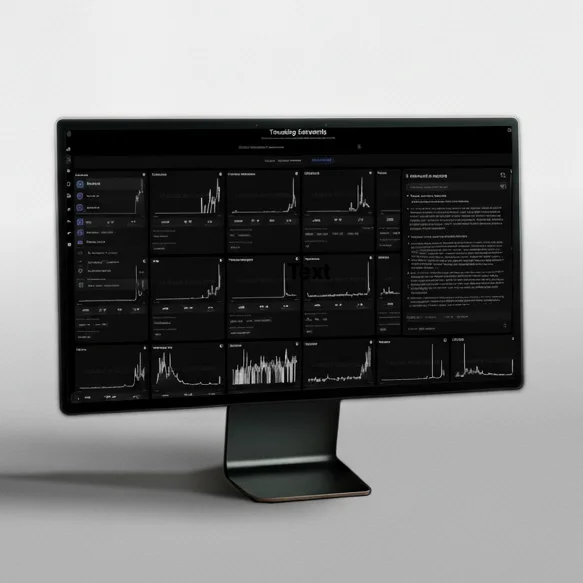
Paradox Intelligence Alerts flagged this pattern repeatedly across the past week and into today, with "Supply Squeeze," "Severe Shortage," and "Structural Shift" signals appearing across multiple independent alert categories. "Liquefied Natural Gas" as a Wikipedia keyword is registering 100% of sources pointing up both QoQ and YoY. Google News "Oil Gas" data is up 100% QoQ and 100% YoY across five clean sources. These are not background noise readings.
Evidence Across Sources
Paradox Intelligence's ranked keyword data shows "Oil" trending at peak levels with 75% of sources pointing up on both QoQ and YoY comparisons across eight clean data sources. "Gasoline" is running up 60% QoQ and 80% YoY across five sources on both Google Search and Google News. "Petroleum" is posting 100% positive growth across all tracked sources.
The "Oil tanker" signal on Google News is up 33% QoQ and 100% YoY, with Korean and Japanese shipbuilding names mentioned in the data alongside the crude tanker operators.
The multi-source convergence here is the key signal. Energy supply disruption is showing up simultaneously in news volume, news sentiment, Wikipedia page views (indicating genuine research activity), and Google Search. When an event affects multiple independent behavioral data streams simultaneously, the market-level significance is high.
The Exposed Equity Universe
Direct Beneficiaries
Cheniere Energy (LNG, NYSE) is the most direct beneficiary of sustained LNG market tightness. Cheniere operates the Sabine Pass terminal in Louisiana and the Corpus Christi terminal in Texas, collectively the largest US LNG export capacity. At $275.84 per share and a $59.4 billion market cap, LNG is the most liquid expression of US LNG export capacity. Every month that global LNG prices remain elevated above the fixed-fee structure of Cheniere's foundational contracts represents incremental margin on spot-linked cargo sales. Cheniere has been filling spot export slots at spot LNG prices that are now materially above pre-conflict levels. The transmission from market LNG prices to Cheniere's realized earnings is direct through its integrated liquefaction and marketing operations.
Expand Energy Corporation (EXE, NASDAQ) is the largest US natural gas producer by volume. As former Chesapeake Energy, rebranded in October 2024, EXE holds interests in approximately 5,000 natural gas wells, concentrated in the Marcellus Shale (Appalachian Basin) and Haynesville/Bossier Shales (Louisiana). At $106.03 per share and a $25.5 billion market cap, EXE is directly exposed to Henry Hub natural gas prices. Higher US natural gas prices from LNG export demand increases flow directly to EXE's realized revenue per Mcf.
Second-Order Beneficiary
Air Products and Chemicals (APD, NYSE) is a less obvious but structurally important name in this environment. APD is the world's largest merchant helium supplier. Its Doe Canyon complex in Colorado and contracts from Qatar's North Field are the two primary helium sources for the company's global sales. The Qatar LNG halt disrupts helium co-production, which occurs alongside natural gas extraction at the North Field. Paradox Intelligence community data shows active discussion of APD and the helium angle — multiple investment research notes in the data stream specifically identify APD's helium supply exposure to the Qatar situation. At $289.43 per share and a $64.4 billion market cap, APD's helium segment represents a high-margin portion of its Merchant revenue stream (44% of FY2025 sales at $5.3 billion). Semiconductor fabs use helium as a critical process gas with no substitutes, creating genuine near-term pricing power as spot supply tightens.
Companies at Risk
Any industrial buyer dependent on piped natural gas or LNG imports at contracted prices is exposed to spot price spikes above contract levels. Fertilizer producers (CF Industries, Mosaic) that use natural gas as a feedstock face input cost pressure if US Henry Hub prices follow global spot prices higher. Aluminum smelters that are heavy electricity consumers face indirect pressure from gas-to-power substitution.
What Could Change the Thesis
A ceasefire or diplomacy-driven reopening of the Strait of Hormuz would begin to normalize LNG tanker routing within days of implementation, though Qatar's physical restart would still take weeks. A ceasefire announcement with credible enforcement would likely trigger an immediate reversal in LNG tanker rates and begin pressuring spot LNG prices lower.
A second resolution path: significant new Australian or US LNG capacity brought online faster than currently scheduled. This is not possible on a near-term horizon but is the structural resolution mechanism over 12 to 24 months.
Monitoring Signals
Track Paradox Intelligence's "Oil Gas" Google News and "Liquefied Natural Gas" Wikipedia signals weekly. Sustained 100% YoY readings would confirm the market narrative is deepening, not fading.
Watch Cheniere's disclosed LNG cargo sales and realized average price per metric ton, which are disclosed monthly on the Corpus Christi and Sabine Pass operational reports. Any month showing spot-linked volumes above 30% of total with average price at $15-plus per MMBtu would confirm the thesis is transmitting to earnings.
For APD, watch for any price adjustment announcements from its helium division or any statement regarding North Field supply interruptions in official communications.
This is for informational purposes only and does not constitute investment advice.