


The Iran war made the US petrochemical cost advantage suddenly visible. It did not create it. Gulf Coast producers using ethane and natural gas liquids as feedstock operate with a structural cost edge over European and Asian competitors dependent on naphtha. That gap has existed for over a decade, built on US shale supply. The conflict pulled forward and amplified the pricing effect, but the underlying cost structure outlasts any ceasefire.
Why This Is Structural, Not Cyclical
Naphtha is derived from crude oil. Ethane is derived from natural gas. When crude prices rise — especially in response to geopolitical disruption — naphtha-based crackers in Europe and Asia see input costs spike while their US Gulf Coast competitors see relatively stable feedstock economics. That is a structural, not cyclical, asymmetry. It was present before the Iran conflict and will persist after.
The feedstock cost differential is large. In mid-2026, naphtha-based cracking economics in Europe were running at roughly three times the ethane-equivalent cost on the US Gulf Coast. European producers were already under pressure before the conflict; the Hormuz disruption added volume constraints on top of the cost disadvantage. Several European cracker assets have been idled or placed on standby. That capacity does not restart overnight — major cracker shutdowns and restarts involve weeks of operational ramp-up, procurement lead times, and contractual complications.
The physical barrier here is important. Major Middle Eastern polyethylene export capacity is not a flow that can be instantly rerouted. Qatar, Iran, and Saudi Arabia account for a combined share of global PE trade routes that run directly through or around the Hormuz chokepoint. Reuters reported in March 2026 that plastic prices had surged as the Iran war choked petrochemical supply. Argus Media noted that US producers were implementing 10-cent-per-pound price increases for both March and April 2026, with April order books described as the strongest in months.
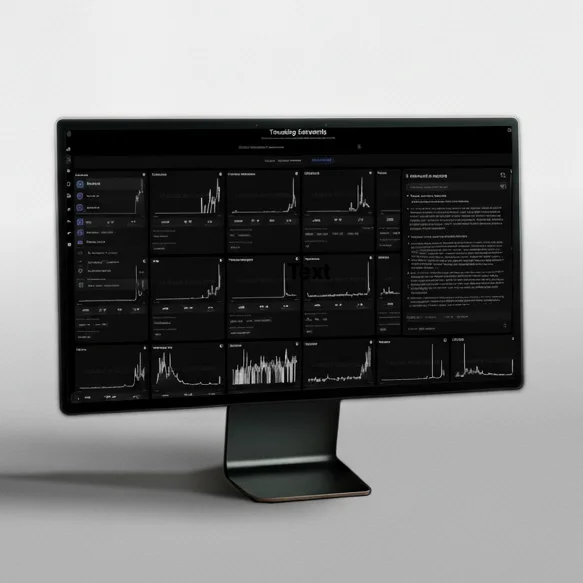
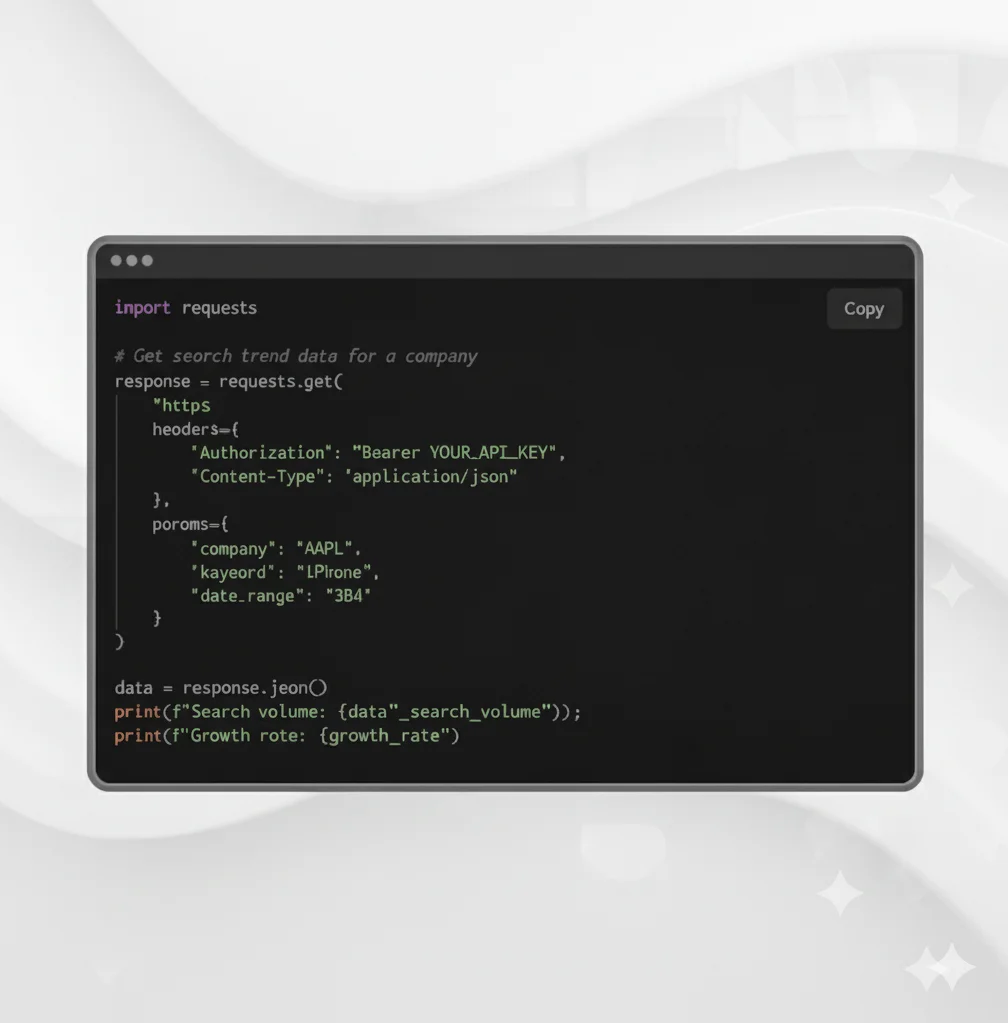
Google search interest for "polypropylene" has risen 89% year-over-year and 65% in three months, reaching a normalized score of 66 as of April 4, 2026, compared to 35 a year earlier. That is not media interest in a chemical commodity — it is procurement and sourcing activity by buyers scrambling to find replacement supply. The data type (search) maps directly to the procurement behavior driving the pricing dynamic.
Multiple independent signals are converging on the same story: News Volume data shows "LyondellBasell" search activity rising 40% over three months and 35% year-over-year. LYB, DOW, and WLK have all received analyst upgrades in the past month on the same thesis.
The Evidence Across Sources
The Journal of Commerce (April 8, 2026) reported that the war-driven supply squeeze is expected to boost US resin exports in 2026, as buyers in Europe and Asia seek replacement supply. This is incremental on top of domestic pricing gains.
MarketBeat cited a "double upgrade" for both DOW and LYB, with the explicit thesis that the conflict is turning global scarcity into domestic profit for US producers. Yahoo Finance coverage of LYB on April 8 referenced a direct test of the company's pricing power and ability to deploy cash during the supply window.
The Seeking Alpha report on US chemical makers carrying the headline "Iran conflict sparks sudden boom for US chemical makers" was published April 8. The media attention is growing but remains focused on the near-term windfall framing rather than the structural durability argument.
The Exposed Equity Universe
Direct beneficiaries — companies whose US Gulf Coast operations generate immediate revenue uplift from higher realized prices:
LyondellBasell Industries (NYSE: LYB), at $74.20 with a $23.9 billion market cap, is the most direct pure play. Its Olefins and Polyolefins Americas segment is the primary driver of earnings. LYB also has a Technology segment that licenses polyolefin production technology globally. The refining segment drag from Q4 2025 is real but does not affect the upstream chemicals advantage. Q1 2026 reports April 24.
Dow Inc. (NYSE: DOW), at $39.28 with a $28.2 billion market cap, operates its largest segment, Packaging and Specialty Plastics, from Gulf Coast ethylene crackers. The price increase environment flows through the same feedstock advantage.
Westlake Corporation (NYSE: WLK), at $120.81 with a $15.5 billion market cap, operates both polyethylene and PVC businesses. WLK's PVC chain benefits from a related chlorine/caustic soda dynamic separate from the polyolefin pricing.
Second-order beneficiary:
Olin Corporation (NYSE: OLN) produces chlorine and caustic soda. As Westlake and other PVC producers gain pricing power, the input chemicals supporting those chains also benefit from tightening. Olin operates from Gulf Coast chlor-alkali assets with domestic cost advantages.
Companies at risk:
European ethylene producers and naphtha-crackers with significant US competitive exposure face margin compression relative to Gulf Coast peers. The affected names are mostly non-US listed, but the competitive dynamic depresses their ability to win back market share even when Hormuz routes partially normalize.
What Could Change the Thesis
The most direct reversal would be a rapid, complete normalization of Hormuz shipping lanes plus restoration of Middle Eastern production levels. Even in that scenario, the feedstock cost asymmetry between NGL-based and naphtha-based producers does not disappear — it returns to a level where it is less visible and priced more normally. The short-duration element of the thesis is the pricing premium; the durable element is the cost structure.
A second potential reversal is sustained demand destruction. If resin price increases of 10–20 cents per pound flow through to consumer goods manufacturers, some end-market demand weakens, reducing the volume uplift. This matters more for Dow's packaging segment than for LYB's more industrial sales mix.
A third factor is LYB's specific balance sheet position. The company entered 2026 with the refining segment as a drag, and restructuring activity could absorb some of the windfall cash generation from chemicals.
Monitoring Signals
The four clearest data points to track: first, US polyethylene and polypropylene contract prices as reported by Argus Media and IHS Markit on a monthly basis — confirmation signal if prices stay at or above April 2026 levels; second, the Strait of Hormuz shipping reports for any restoration of normal tanker traffic (the falsifying signal); third, Q1 2026 earnings calls for LYB (April 24), DOW (late April), and WLK, specifically the language on realized margin and order backlog; and fourth, continued movement in polypropylene and polyethylene search demand, which signals whether the sourcing urgency is durable or normalizing.
This is for informational purposes only and does not constitute investment advice.