

Sign Up
Datasets Use Cases Research
Sign Up
Insights

Agentic Survey Data for Investment Research: What It Is and How Funds Use It (2026)

Agentic survey data uses AI agents to run primary research at scale. This guide explains what it measures, how it differs from traditional surveys, and where it fits in an investment workflow.

agentic survey data alternative data primary research AI agent surveys investment research channel checks primary research alternative data institutional investors

Agentic survey data is an emerging alternative data category that uses AI agents to run primary research interviews and channel checks at scale, continuously and in near real time. Unlike traditional surveys, which require weeks to design, field, and analyze, agentic surveys can execute across hundreds of respondents simultaneously and return structured, actionable findings within hours. The result is a new category of primary research intelligence that is faster, broader, and more current than what sell-side channel checks or traditional survey vendors deliver.

This post explains what agentic survey data is, how it differs from traditional primary research, where it fits in an institutional investment workflow, and what to evaluate before using it.

What Agentic Survey Data Actually Measures

Traditional survey data has always captured stated preferences and consumer intentions. What makes agentic survey data different is the agent layer: AI systems conduct the interviews, synthesize the findings, flag anomalies, and deliver structured outputs rather than raw transcripts.

The inputs are the same as traditional primary research: consumers, suppliers, channel partners, or industry experts responding to questions. The difference is in the mechanics. An AI agent can conduct 500 channel-partner interviews in the same time a human analyst takes to complete 5. It can maintain consistency across every interview, avoid interviewer effects, and run the same survey across geographies simultaneously.

For investment research, the specific categories that agentic survey data can address include:

  • Consumer sentiment and purchase intent at the product or brand level, a week before a company reports
  • Supplier channel checks that verify whether order books match management guidance
  • Distributor inventory levels that reveal whether end-market demand is pulling through or stacking up
  • Competitive pricing surveys that capture real-time shelf-price and promotional activity
  • Employee sentiment at publicly traded companies, structured as leading indicators of hiring or attrition

The distinction between agentic and traditional surveys matters most for time-sensitivity. A sell-side channel check takes 4-6 weeks. An agentic survey can field and close in days. For earnings research, that difference is the gap between having the data before and after the print.

How It Compares to Other Alternative Data Categories

Agentic survey data is primary research, which means it generates original observations rather than measuring existing behavioral signals. That distinguishes it from the other major alternative data categories:

Category What it measures Source type Latency
Search data (Google, Amazon) Demand intent signals Behavioral Real-time
Social data (TikTok, Reddit) Conversation and engagement Behavioral Real-time
Web traffic Site visitor volume Behavioral Weekly
Transaction data Actual spending Transactional 4-6 weeks lag
News sentiment Media narrative Derived Real-time
Agentic survey Stated views, channel checks Primary Days

Search and social data are fast but indirect. They measure what people express through their behavior, not what they say when asked directly. Transaction data is the most authoritative revenue signal but arrives with a lag that limits its pre-earnings utility. Agentic survey data fills a specific gap: fast-turn primary research that delivers direct stated responses on the questions that matter most for near-term earnings.

The limitation is that stated survey responses are not the same as behavioral data. What respondents say they will do and what they actually do can diverge. Agentic survey data is most useful when combined with behavioral signals that corroborate or contradict the stated findings.

Where Agentic Survey Data Fits in an Investment Workflow

The highest-value applications for institutional investors are:

Pre-earnings channel checks. The most common use case. A fund running a long position in a consumer company can commission an agentic survey of retail channel partners 2-3 weeks before earnings. The survey asks: are orders tracking above or below the same period last year? Are inventories building or depleting? What are competitors offering? The findings arrive within days and can be cross-referenced with search demand data to build a more complete picture of quarter-end trajectory.

New product launch validation. When a company launches a new product, traditional research takes months to measure adoption. Agentic surveys can measure consumer awareness and purchase intent within days of launch, giving investors an early read on whether the product is gaining traction before it shows in earnings.

Supplier and pricing intelligence. Monitoring whether input cost pressures are materializing faster than management guidance is a classic hedge fund use case. An agentic survey of suppliers or distributors can surface pricing or supply dynamics that are not yet in public disclosures.

Geographic demand verification. For companies with uneven geographic exposure, agentic surveys can quickly identify where demand is accelerating versus where it is softening, providing a more granular view than company-level guidance.

The Decision Framework: When to Use It

Agentic survey data adds the most value when:

  1. The research question requires stated responses, not just behavioral inference. If the question is "what is consumer intent for this product category?", agentic surveys provide direct answers that search data alone cannot.
  2. Speed matters. Traditional channel checks take weeks. If the earnings report is within 2-3 weeks, agentic surveys are the only primary research modality that can deliver findings in time.
  3. The behavioral data is ambiguous. Sometimes search and social signals point in different directions. A fast primary survey can resolve the conflict by providing direct stated evidence.

Agentic survey data is less useful when the question can be answered more reliably by behavioral data. If Amazon search volume for a product is at a 5-year high, a survey asking consumers whether they plan to buy it adds less marginal value than additional behavioral sources.

What Paradox Intelligence Offers

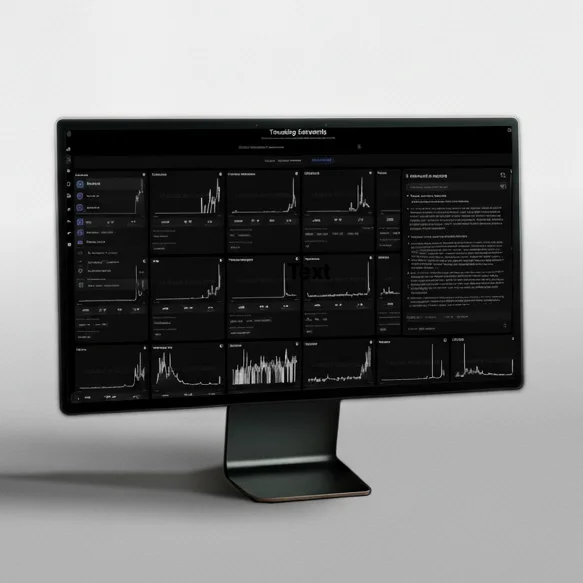
Paradox Intelligence includes agentic survey data as part of its enterprise-tier dataset catalog. The platform uses AI agents to run real-time survey intelligence across consumers, businesses, suppliers, and channel partners, and delivers results as structured data that can be filtered by geography, segment, and question type. The survey data is designed to integrate with the platform's other 24+ behavioral data sources so that stated survey findings can be compared against search, social, and shopping signals for the same company or keyword.

Access to agentic survey data is available through Paradox Intelligence enterprise datasets. For a full overview of how agentic survey data fits into an investment workflow alongside behavioral and transactional signals, see the investment research platform overview and the guide to alternative data for equity analysts.

What to Evaluate Before Using Agentic Survey Data

Quality varies significantly across providers. The evaluation criteria that matter most for investment-grade primary research:

Respondent verification. Survey panelists must be verified as real individuals with the claimed attributes (actual retail employees, genuine consumers, real suppliers). AI-generated synthetic respondents can produce plausible but fictitious data. Ask providers how they verify respondent identity and track engagement quality.

Question design consistency. Results from agentic surveys are only comparable over time if the underlying question design is stable. Providers that change question wording between survey waves make trend analysis unreliable.

Coverage depth. A survey of 50 respondents in a category with thousands of relevant channel participants is not statistically meaningful. Ask for sample sizes, response rates, and the method for selecting respondents relative to the total addressable pool.

Lag from field to delivery. The primary advantage of agentic survey data over traditional primary research is speed. Providers who claim "real-time" delivery but take 48-72 hours to clean and deliver results are in a different category from those who can return structured findings within 24 hours.

Integration with behavioral data. Agentic survey data that lives in isolation from search, social, and transactional signals is less valuable than data that can be compared against those signals in the same analytical environment.

The Emerging Role of Primary Research in Alternative Data

The alternative data industry has spent the past decade focused on behavioral signals: search, social, satellite, and transaction data. These sources measure what people actually do. Primary research measures what people say they will do. Both have known strengths and limitations, and the most robust investment theses combine both.

Agentic survey data lowers the cost and time barrier for primary research enough that it can now be used routinely, not just for high-conviction situations. As AI agent infrastructure matures and respondent networks scale, expect agentic survey data to become a standard input in earnings research workflows at sophisticated buy-side teams.

The current gap in most institutional workflows is not a shortage of behavioral data. It is the absence of fast-turn primary data that can validate or challenge what behavioral signals suggest. Agentic survey data fills that gap without the 4-6 week cycle time of traditional primary research.

For investors building out an alternative data stack, agentic survey data belongs in the same tier as search and social signals: a source with genuine leading-indicator properties that is most powerful when used in combination with the behavioral layer, not as a replacement for it.

This is for informational purposes only and does not constitute investment advice.

Share

Get insights delivered

BUILT BY INVESTORS, FOR INVESTORS