
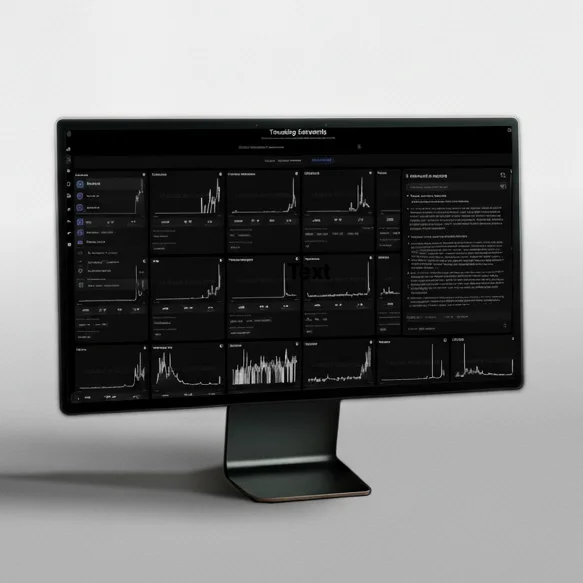

The phrase "AI investing platform" gets used for everything from chat assistants to production research infrastructure. For buy-side teams, the definition needs to be stricter.
An AI investing platform should improve signal discovery, reduce research cycle time, and support repeatable workflows under real portfolio pressure.
What qualifies as an AI investing platform
For institutional use, a platform should combine:
- multi-source market and behavioral data
- structured research workflows
- model-assisted analysis with traceability
- monitoring, alerts, and export paths
If a tool can answer ad hoc questions but cannot support repeatable research processes, it is an assistant, not a full platform.
The five checks that matter most
1) Data quality and mapping
Model output quality depends on input quality. Evaluate:
- source breadth across search, social, web, app, and news
- mapping quality from raw signals to tickers and sectors
- historical consistency for backtesting
2) Workflow fit
Ask whether analysts can move through a full loop:
- detect emerging change
- validate with second-source confirmation
- monitor with alerts
- hand off to PM decisions
Platforms that require heavy manual stitching across tools create drag.
3) Explainability and provenance
AI suggestions need source-level transparency. Your team should be able to answer:
- which data drove the conclusion
- when the underlying signals moved
- how strong the cross-source agreement is
4) Operational reliability
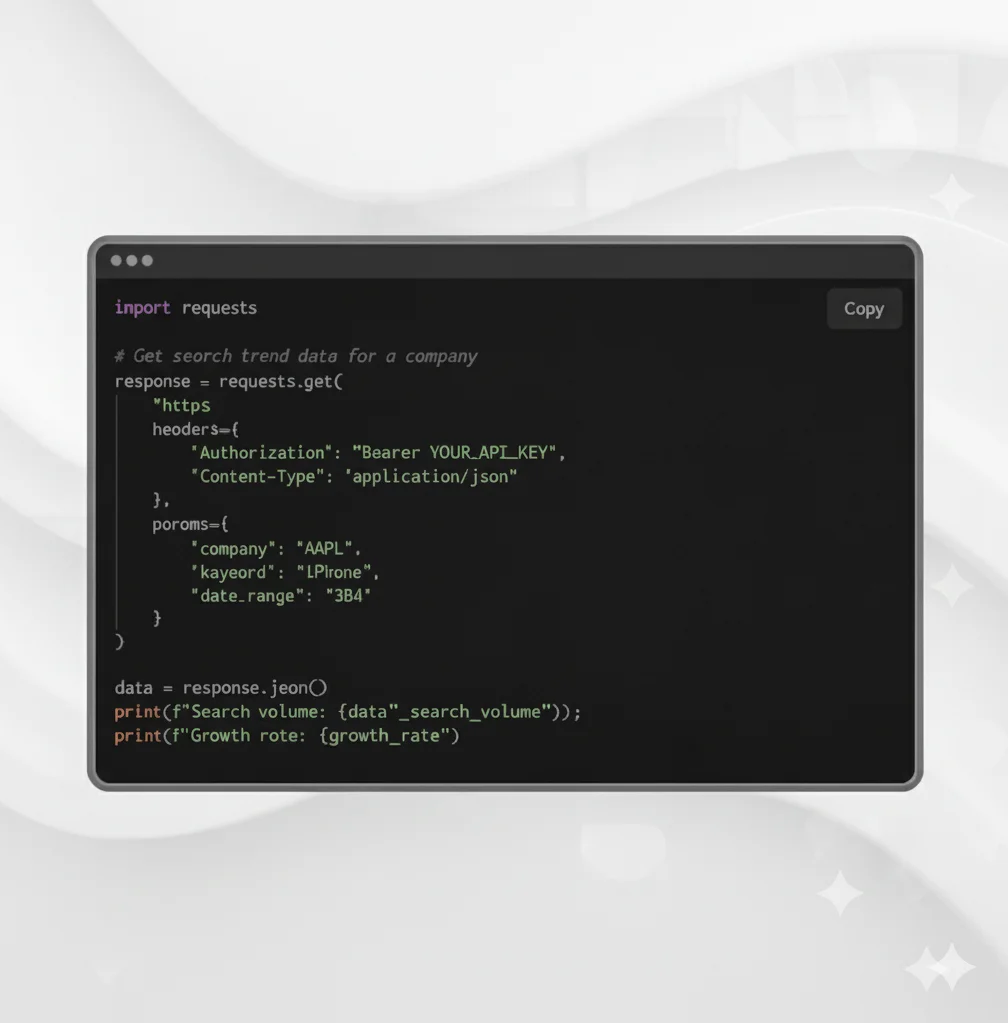
Check API quality, uptime, and alert reliability. A strong demo can still fail in production if exports, retries, and schema versioning are weak.
5) Governance
Institutional workflows require auditability, access controls, and consistent research records.
Stay up to date on our best ideas
Common mistakes when selecting an AI investing platform
- Choosing by interface polish instead of workflow outcomes
- Running pilots without predefined investment questions
- Ignoring model provenance requirements until compliance review
- Treating AI summaries as a replacement for structured signal validation
A practical 30-day pilot plan
Week 1: Select 3 high-value use cases and define success metrics.
Week 2: Run end-to-end tests with real coverage names.
Week 3: Validate alerting, exports, and handoff to PM workflow.
Week 4: Compare time-to-insight and decision confidence against current process.
Success is not "the model sounded smart." Success is better decisions with less cycle time and fewer false signals.
How Paradox Intelligence fits this workflow
Paradox Intelligence is used by teams that need AI-assisted investment research grounded in mapped, multi-source alternative data. Analysts can detect inflections, validate across sources, and monitor themes without switching across fragmented tools.
Explore Datasets, review APIs, or book a demo.