

Alternative Data for Tariff Impact Research: Track Consumer Demand Shifts in 2026
When tariffs change, consumer behavior changes first. Before companies issue guidance revisions and before quarterly earnings reflect the new cost environment, shoppers start searching differently, browsing differently, and buying differently. That behavioral shift is measurable in real time, and institutional investors who access the right alternative data sources are reading those signals weeks ahead of consensus.
This guide explains how investors are using behavioral alternative data to research tariff impact on consumer demand, which data sources matter most, and how to get access to these signals today.
Why Traditional Research Lags on Tariff Impact
Analyst models, company filings, and management commentary are retrospective by nature. When a new round of tariffs hits imported goods, the chain of visible evidence looks like this:
- Consumer prices rise (often within weeks)
- Demand shifts at the product and category level (within days to weeks)
- Sell-through data and inventory metrics shift (30 to 90 days out)
- Management commentary on the next earnings call (60 to 120 days out)
- Analyst estimate revisions follow
Investors who rely on step four or five are trading on stale information. The edge in tariff impact research comes from detecting step two, which is when consumers actually change their search and buying behavior in response to new prices.
The Behavioral Signals That Move First
Alternative data platforms that aggregate behavioral signals capture tariff-driven demand shifts at the source. The most useful signal categories for tariff research are:
Search Volume Data
When tariffs push up prices on consumer electronics, appliances, apparel, or vehicles, search behavior shifts in predictable ways. Shoppers search for cheaper alternatives, domestic substitutes, "buy before price increase" phrases, and competitor brands. Tracking absolute search volume, not just relative trends, across affected product categories and related company keywords gives investors a real-time demand picture.
For example, a meaningful spike in searches for a domestic appliance brand paired with a drop in searches for an imported competitor is a measurable signal that tariff-driven substitution is occurring. That substitution will eventually show up in revenue, but the search signal often appears weeks earlier.
Amazon Search and Browse Data
Amazon search is arguably the most direct demand signal available. When consumers intend to purchase something, they search Amazon. Changes in search volume for specific products, brand keywords, and category queries on Amazon reflect not just general interest but commercial intent.
Investors monitoring Amazon search data across categories exposed to tariffs, such as consumer electronics, furniture, auto parts, or clothing, can detect volume shifts that precede revenue inflections at public companies. A measurable decline in searches for an imported product category, combined with a rise in domestically manufactured alternatives, is a high-conviction demand signal.
Social Media Engagement Data
Social platforms show how consumers are reacting to price changes and tariff news at the sentiment level. TikTok, Reddit, Instagram, and X/Twitter all surface organic consumer conversation about price shocks, brand switching, and "dupes" for more expensive imported goods. Tracking post volume, engagement, and trending topics around affected product categories adds qualitative context to the quantitative search signals.
Reddit communities in particular surface highly specific consumer sentiment: threads about switching away from a brand, community posts about finding alternatives, price comparison discussions. These are early-stage signals of demand shifts that have not yet been captured in any financial metric.
YouTube Search and View Data
YouTube search data captures consumers actively researching product alternatives and seeking how-to content for domestic substitutes. When tariffs drive up prices on a category, how-to and product comparison video searches for that category tend to rise. This is a behavioral signal of a consumer who is engaged but reconsidering their purchase, an early-stage friction signal that can precede demand decline.
News Volume and Coverage Data
News sentiment and volume data tracks how much coverage a tariff event is receiving and at what tone. A rapid increase in negative news coverage around a specific sector or company tied to tariff exposure can predict analyst action and institutional reallocation. Tracking news volume as a leading indicator of analyst attention is a well-established use case in alternative data.
Stay up to date on our best ideas
How to Use These Signals Together: A Framework
Effective tariff impact research does not rely on a single signal. The highest-conviction reads come from confirming a demand shift across multiple behavioral data sources simultaneously.
Step 1: Identify exposed sectors and companies. Start with a list of companies with significant exposure to tariff-affected categories. Revenue geographic mix, sourcing geography, and product category inform which names are most at risk.
Step 2: Build keyword sets for each company and category. The keyword layer is critical. For each company, build a list of brand keywords, product keywords, and competitor keywords. The goal is to track relative demand for the exposed brand versus domestic or less-tariff-exposed alternatives.
Step 3: Monitor search and Amazon signal shifts. Use a platform that tracks absolute volume rather than relative index values. A 30% drop in Amazon search volume for an imported appliance brand is actionable. A shift in the relative index is not.
Step 4: Validate with social and news signals. Confirm demand shifts are organic and consumer-driven, not just media-driven, by checking social media engagement alongside news volume. A demand shift showing up in both consumer search behavior and news coverage is stronger than one appearing in only one channel.
Step 5: Map signals to the investment thesis. If search, Amazon, and social data are all confirming demand substitution away from a tariff-exposed company, that is a demand-side catalyst that may not yet be in consensus estimates. The next step is assessing magnitude and timing relative to the company's next earnings print.
What to Look for in an Alternative Data Platform for Tariff Research
Not all alternative data platforms are built for this type of analysis. Key requirements for tariff impact research include:
Absolute volume data, not just indexes. Google Trends and similar free tools show relative normalized values. For investment research, absolute search volumes are essential. A 20% drop in absolute search volume is a materially different signal from a 20% relative shift.
Multi-source coverage. Tariff impact shows up differently across channels. A platform that covers Google Search, Amazon, social media, and news in a single interface allows faster cross-signal confirmation. Switching between five different point solutions adds friction and slows the research process.
Company-to-ticker mapping. Search and social signals need to be mapped to investable instruments to be actionable. A platform that connects behavioral data to tickers and sectors allows analysts to move directly from signal detection to investment decision.
Historical depth. To interpret a current signal, analysts need historical context. How did this company's search volume behave during prior tariff cycles or macro demand shocks? Platforms with 20 or more years of historical data allow for meaningful backtesting and signal calibration.
Speed. Tariff impact signals can move fast. A platform that surfaces data with minimal lag, ideally close to real-time, is considerably more valuable than one that delivers weekly or monthly aggregates.
Paradox Intelligence for Tariff Impact Research
Paradox Intelligence aggregates behavioral signals from 24 or more alternative data sources, including Google Search, Amazon, TikTok, Reddit, YouTube, Instagram, X/Twitter, app intelligence, news, and transaction data. All signals are mapped to 50,000 or more companies globally, with ticker and sector tagging, and the platform includes more than 20 years of historical data for backtesting.
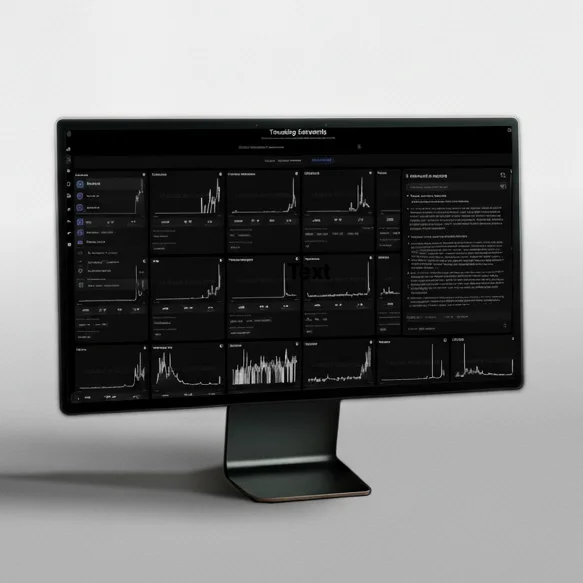
For tariff impact research, the multi-source architecture is particularly useful. Analysts can pull Google Search and Amazon signal together with news volume and Reddit sentiment for a specific company or sector in a single workspace, rather than assembling data from multiple point solutions.
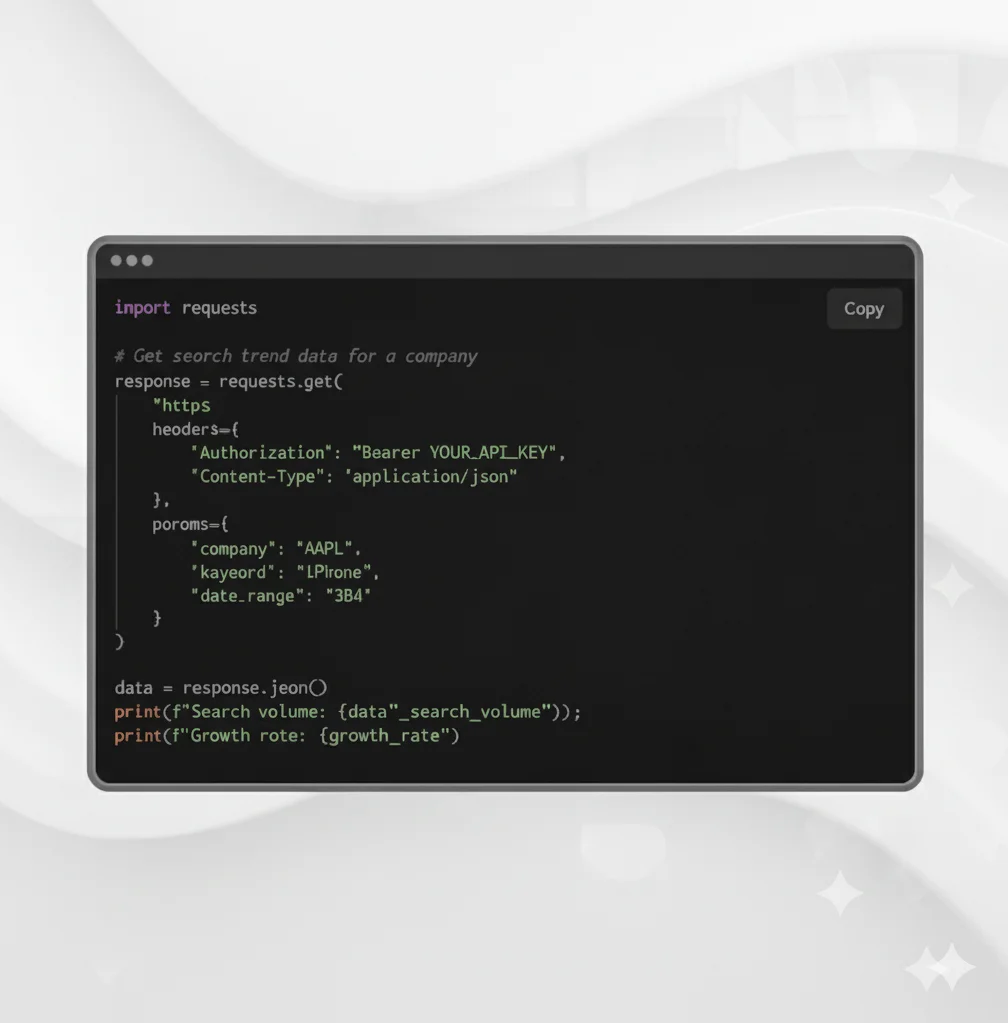
Access is available through three modes: Paradox Desktop, a professional platform for analysts; Paradox Data, an API and data feed for quant teams; and Paradox AI, which integrates with AI agent workflows via MCP for teams building automated research pipelines.
Tariff-Exposed Sectors with High Alternative Data Signal Quality
Some sectors generate particularly rich alternative data signals due to high consumer search activity and strong online purchase intent. These are the sectors where behavioral data tends to be most predictive of tariff-driven demand shifts:
Consumer Electronics. Phones, laptops, televisions, and peripherals have very high search volume on both Google and Amazon. Tariff-driven price increases are quickly visible in consumer behavior. Brand switching signals appear early in search data.
Home Goods and Appliances. One of the highest-tariff-exposed categories in recent policy cycles. Amazon search data is particularly strong for tracking demand shifts between imported and domestic appliance brands.
Apparel and Footwear. Category-level search data and social engagement data (especially TikTok and Instagram) surface brand switching behavior early. Social media discussions of "dupes" and cheaper alternatives are measurable signals.
Auto Parts and Vehicles. Search data tracks consumer research behavior as tariffs affect pricing. YouTube how-to content for repairs and domestic part sourcing tends to increase as import costs rise.
Retail broadly. Transaction and app intelligence data captures where consumer spending actually lands as prices shift across retail channels. Retailers with domestic sourcing tend to see search and transaction signal improvements relative to peers exposed to higher import costs.
Key Questions Alternative Data Answers for Tariff Research
The most common questions investors bring to alternative data platforms in a tariff-driven market environment include:
- Is consumer demand for this tariff-exposed brand declining relative to domestic competitors?
- Are consumers actively searching for lower-cost substitutes in this product category?
- Is social media discussion around this brand becoming more negative as prices rise?
- Are early-stage behavioral signals confirming or contradicting current consensus estimates for this company?
- How did this company's search and social signals behave during prior tariff cycles?
Each of these questions has an answer in behavioral alternative data. The challenge is assembling the right sources quickly enough to act on the signal before it moves into consensus.
Getting Started
For investors actively researching tariff impact in 2026, the practical starting point is identifying the specific companies and categories in a portfolio or watchlist with meaningful tariff exposure, then building a behavioral monitoring workflow around those names.
Platforms like Paradox Intelligence allow analysts to set up keyword-based watchlists across companies and categories and receive signal updates as behavioral data shifts. That workflow transforms tariff impact research from a quarterly exercise into an ongoing, real-time monitoring process.
Institutional investors looking to buy alternative data for tariff research, or to evaluate whether behavioral data platforms improve their analysis in policy-sensitive environments, can access Paradox Intelligence via Paradox Desktop starting at $99 per month or reach out to the team for enterprise API access via Paradox Data.