


Thematic investing is one of the fastest-growing segments of institutional asset management. The basic premise is that structural shifts, not just company-level fundamentals, drive long-term returns. Identifying those shifts early and sizing positions accordingly is the core competence.
The research problem is that structural themes are hard to measure. Price and fundamental data lag the inflection points that define thematic opportunities. A thematic investing platform needs to give you earlier signal.
What thematic investing actually requires from a platform
A thematic fund or thematic portfolio sleeve has different research needs from a traditional stock-picker:
- identify the emergence and acceleration of structural trends before they are widely recognized
- map themes to investable entities: companies, sectors, geographies
- monitor trend durability versus short-term noise
- detect when a theme is peaking or rotating
Traditional equity research tools are not built for this. Their fundamental data is company-specific and backward-looking. News and sell-side research follow themes after they are already visible in price action.
The tools that serve thematic investing well are those that capture demand-side signals: what consumers are searching for, what categories are gaining behavioral attention, where engagement is shifting before revenue confirms it.
Why behavioral data is central to thematic research
Behavioral data captures revealed preference at scale. When millions of consumers start searching for a new category, engaging with content about an emerging technology, or downloading apps in a specific vertical, that is a measurable signal of structural change.
This matters for thematic investing for several reasons:
It is earlier than financial data. Consumer behavior typically precedes spending, spending precedes revenue recognition, revenue precedes earnings revisions, and earnings revisions precede price movement. Behavioral data sits at the beginning of this chain.
It covers emerging categories before they have investable proxies. Traditional financial data requires companies to be public and reporting. Behavioral data covers categories, trends, and narratives that span both public and private companies.
It is continuously measurable. Unlike earnings (quarterly) or surveys (periodic), behavioral signals are available weekly or daily. This enables monitoring for both entry and exit signals.
It shows breadth, not just single-company noise. Thematic analysis is more reliable when the signal is broad across a category, not dependent on a single company's performance.
Stay up to date on our best ideas
What to look for in a thematic investing platform
Multi-source behavioral coverage
No single data source captures the full picture. Search data shows intent. Social data shows engagement and attention. App data shows usage. Web traffic shows interest. A platform that aggregates across these sources produces more reliable thematic signals than any single feed.
Category and sector-level aggregation
Company-level data is useful, but thematic analysis often starts with the category. The platform should let you analyze demand trends across a sector or theme, not just for specific tickers.
Historical depth for trend validation
Structural themes unfold over years, not months. Historical data depth of three to five years or more is necessary to distinguish genuine structural shifts from cyclical noise.
Cross-geography coverage
Many structural themes emerge in one geography before spreading globally. A platform with international coverage lets you identify a theme early in one market and position ahead of its spread.
Diffusion indexing and trend aggregation
Advanced thematic analysis uses diffusion indexes: measuring how broadly a signal is spreading across a category, not just how strong it is for a single entity. Platforms that provide this level of analysis are significantly more useful for thematic work than raw signal feeds.
Common shortcomings in available tools
Google Trends is free and useful for basic pattern recognition, but it shows relative search volume, not absolute. You cannot compare the size of two trends, and there is no entity mapping, no sector aggregation, and no historical normalization.
Social media monitoring tools like Brandwatch or Sprout Social are built for brand managers, not investors. They lack ticker mapping, financial context, and the historical depth needed for investment-grade analysis.
News and research platforms like AlphaSense cover document search and summarization well, but they track narratives after they are already written, not the underlying behavioral demand before coverage emerges.
Traditional data terminals (Bloomberg, FactSet) do not cover behavioral signals at all for thematic purposes.
How thematic investors use Paradox Intelligence
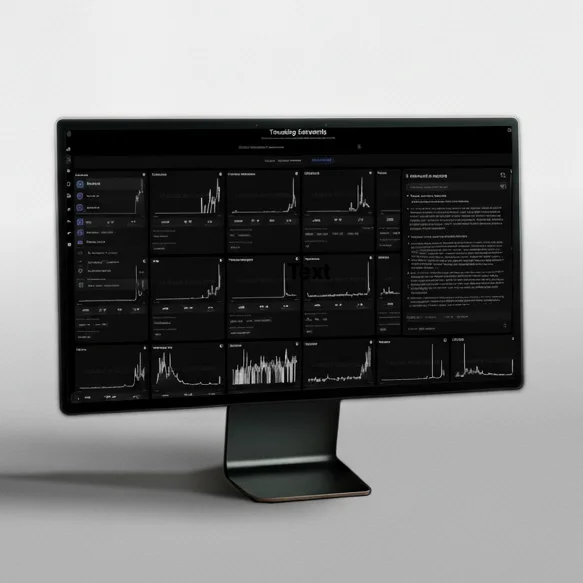
Paradox Intelligence is used by thematic investors to track structural trends through behavioral signals before they appear in fundamental data or price action.
Specific applications:
- building thematic watchlists across sectors and geographies
- monitoring demand diffusion for emerging categories
- identifying inflection points where thematic momentum accelerates or decelerates
- mapping theme-level signals to investable entities for portfolio construction
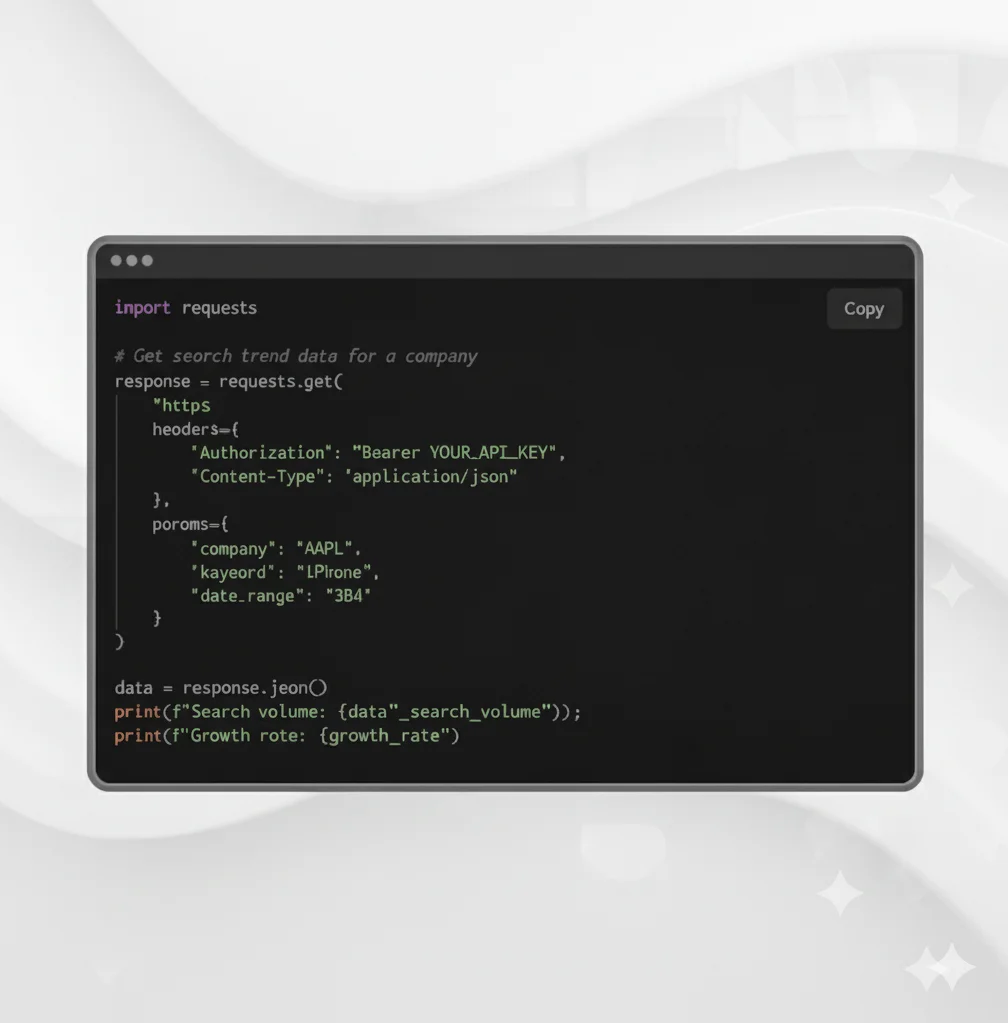
The platform covers search, social, app, web, news, and macro signals with full API access for systematic or AI-augmented workflows.
Explore thematic investing use cases or book a demo.