

Sign Up
Datasets Use Cases Research
Sign Up
Insights

Best Equity Research Platform for Buy-Side Teams in 2026

A practical guide to what buy-side equity research platforms need to deliver in 2026, including behavioral data, multi-source signal coverage, and the gap between traditional fundamental tools and modern research workflows.

Equity research has changed more in the last five years than in the previous twenty. The tools that serve modern buy-side research teams need to do more than provide historical fundamentals and consensus estimates.

This guide covers what an equity research platform actually needs to do for a buy-side team in 2026, where traditional platforms fall short, and what the modern research stack looks like.


What buy-side equity research requires

Buy-side equity research has one job: build conviction about a company's prospects before the market prices in the information you have found.

That requires:

  • a way to get ahead of reported data, not just react to it
  • signals that are not already fully discounted in the price
  • efficient monitoring of many positions and potential positions simultaneously
  • fast hypothesis testing against historical patterns

Traditional equity research platforms were built for the third of these: organizing what you already know. The challenge is the first two.


What most platforms provide today

The dominant equity research platforms (FactSet, Bloomberg, Refinitiv) are built around:

  • historical financial statement data
  • consensus earnings estimates
  • price and volume data
  • sell-side research document libraries
  • portfolio analytics and attribution

These are necessary inputs, but they are largely coincident or lagging. Consensus estimates reflect what sell-side analysts have already concluded. Price data reflects what the market already knows. Financial statements are backward-looking by definition.

An equity research platform that serves a differentiated buy-side process needs to surface information that is earlier, not just more organized.


Stay up to date on our best ideas

The shift toward behavioral data in equity research

The most significant development in buy-side equity research tooling over the last five years is the integration of behavioral signals: what consumers search for, what audiences engage with on social platforms, how app usage patterns move, where web traffic shifts.

Why this matters for equity analysts:

Consumer-facing companies: Search and social demand data often precedes revenue trends by weeks or months. An analyst tracking demand signals for a consumer brand sees the shift before it shows in reported numbers.

Earnings modeling: Behavioral signals provide an external check on whether internal revenue assumptions are reasonable. When search demand and app engagement point in the same direction as a revenue model, confidence is higher.

Sector rotation and thematic positioning: Behavioral data across an entire sector shows where interest is concentrating before the rotation shows in fund flows or price action.

Company monitoring at scale: Analysts covering many companies cannot do deep work on all of them simultaneously. Behavioral monitoring surfaces the names where something has changed, allowing more focused research time.


The gap between platforms built for institutions and platforms built for the current workflow

Most established platforms were designed around a workflow that assumes:

  • data is structured and available
  • the analyst knows what they are looking for
  • the research process is sequential (screen, then analyze)

Modern buy-side workflows increasingly require:

  • unstructured and behavioral data alongside structured
  • platforms that surface signals the analyst did not know to look for
  • parallel monitoring of many entities with automated alerting
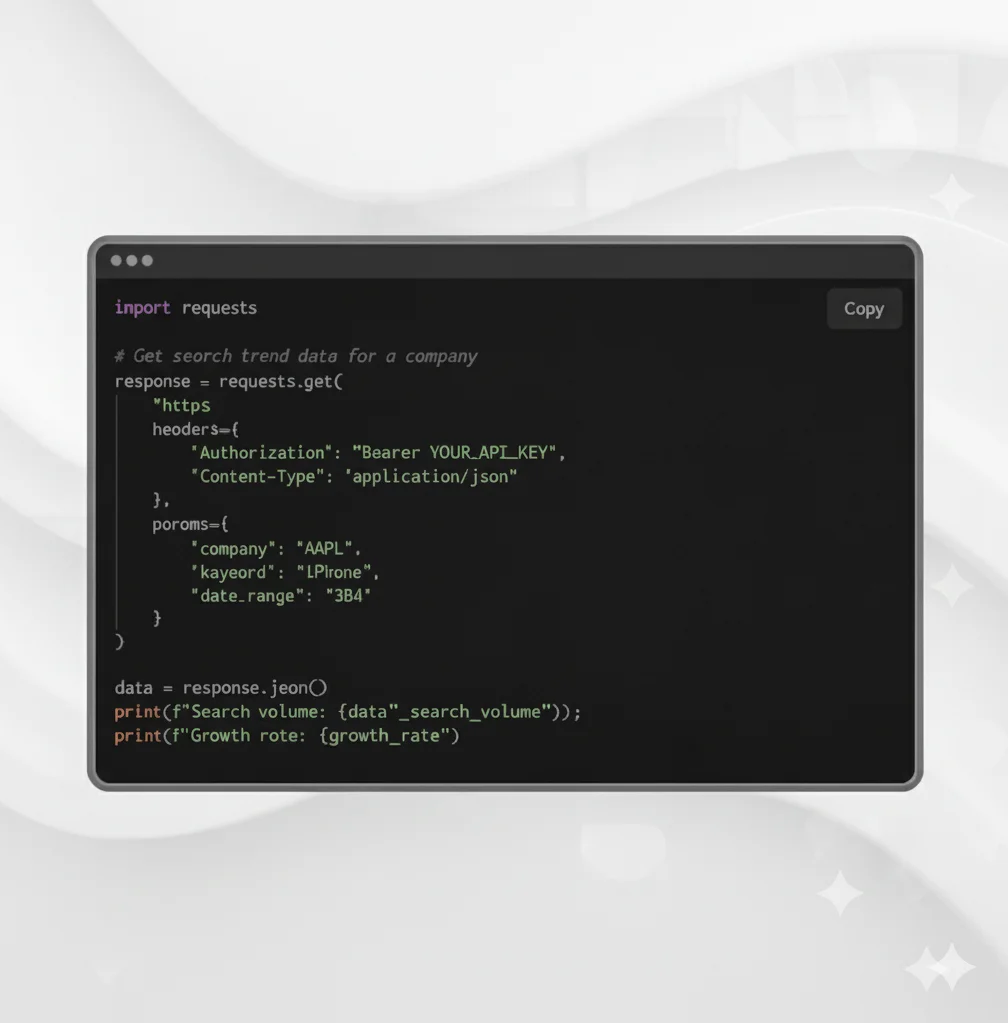
  • API integration with AI tools, models, and custom dashboards

This is not a criticism of FactSet or Bloomberg. They serve their design goals well. The gap is that those goals were defined for a different research environment.


What the best equity research platforms need in 2026

Based on how buy-side teams actually work:

1. Multi-source signal coverage Fundamental data, behavioral data, macro indicators, and news should be accessible in a single workflow. Context comes from convergence across sources.

2. Historical depth for backtesting Any signal needs at least two to three years of history to test whether it has been useful. Shallow historical data produces overfit hypotheses.

3. Entity mapping quality Behavioral signals need to link reliably to ticker symbols and investment entities. Weak mapping produces noisy outputs.

4. Both a UI for analysts and an API for systematic teams Research platforms that only serve one persona leave half the team underserved.

5. Monitoring and alerting An analyst who checks a dashboard manually cannot monitor many companies in real time. Automated watchlists with alert thresholds make the platform useful across the book.

6. AI workflow compatibility Modern research increasingly uses LLM-based summarization, pattern recognition, and question-answering. Platforms that expose clean APIs and structured data enable this; closed platforms create friction.


How Paradox Intelligence serves buy-side equity research

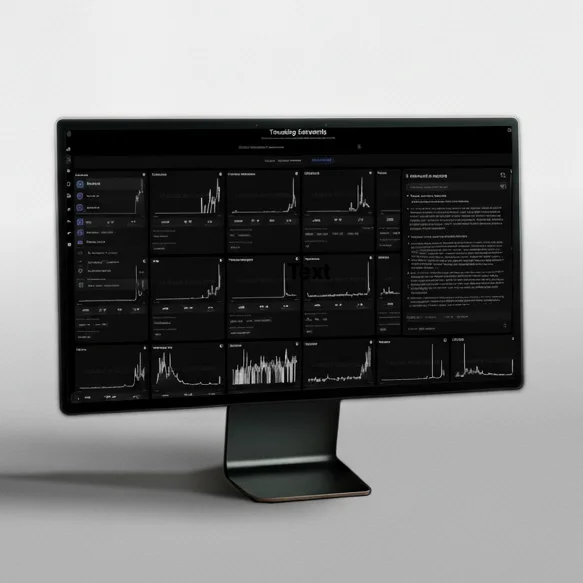
Paradox Intelligence is a multi-source behavioral data platform designed for institutional equity research. It covers search, social, app, web, news, and macro signals with historical depth, entity mapping, and both analyst UI and production API.

Common buy-side use cases:

  • leading demand indicators for consumer and tech earnings models
  • multi-signal monitoring across portfolio and watchlist companies
  • sector and thematic trend tracking before price and fundamental data confirm
  • API integration with systematic models and AI research workflows

Explore datasets, review the API, or book a demo.


Share

Get insights delivered

BUILT BY INVESTORS, FOR INVESTORS