

Datasets Use Cases Research

MCP Servers for Alternative Data: Connecting AI to Your Investment Process

The Model Context Protocol (MCP) is an open standard that lets AI applications connect to external data sources and tools in a consistent way. For investment teams, that means you can plug alternative data into the same AI assistants and workflows you already use, instead of copying data between systems or building one-off integrations. This post explains what MCP is, why it matters for alternative data, and how teams are using it.


What is the Model Context Protocol?

MCP defines how AI clients (e.g. Claude, Cursor, or custom agents) talk to servers that expose data and capabilities. In practice, an MCP server is a service that exposes:

  • Resources: Read-only data (documents, datasets, or live feeds) that the model can use as context.
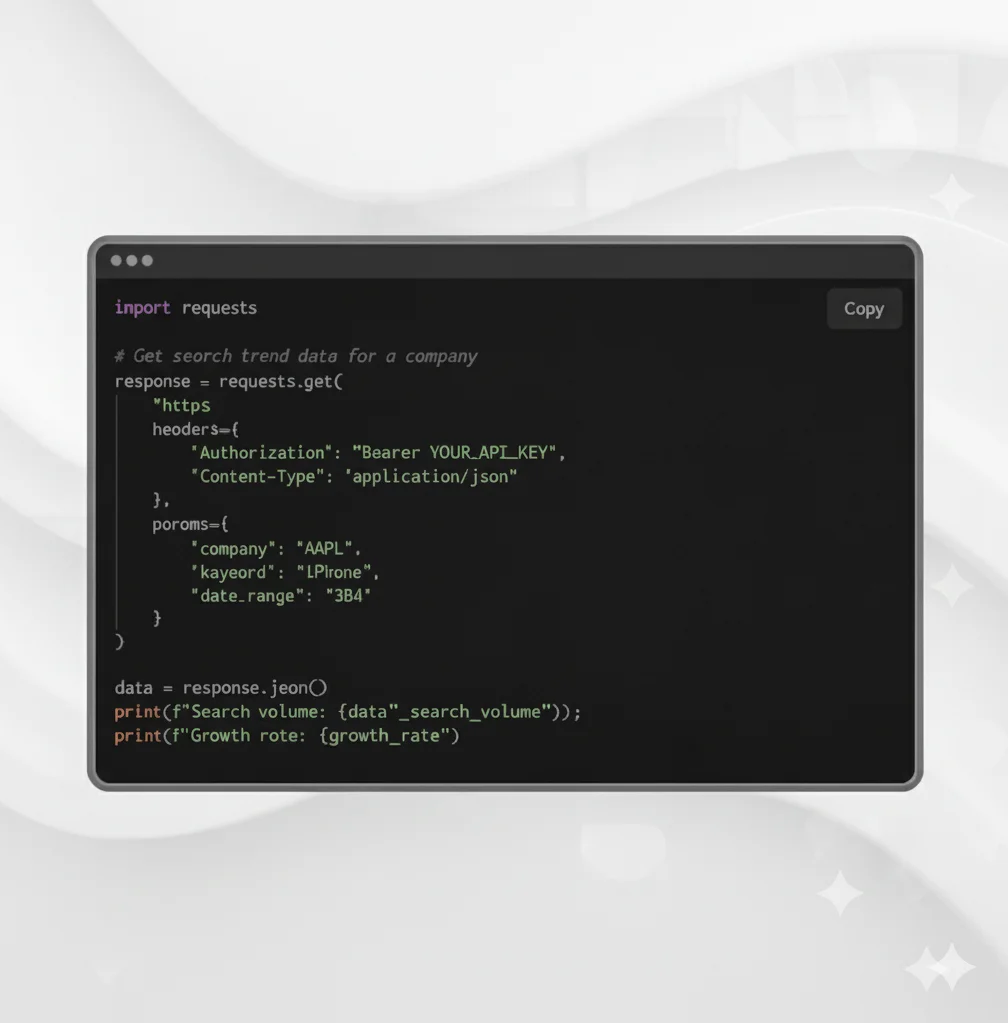
  • Tools: Functions the model can call (e.g. run a search, pull a time series, check sentiment).
  • Prompts: Reusable instruction templates so you can standardize how the model uses those tools and resources.

Because the protocol is open, the same client can connect to many servers: your internal docs, a database, a financial data API, or an alternative data provider. That reduces the need for custom glue code for each data source.


Why MCP matters for alternative data

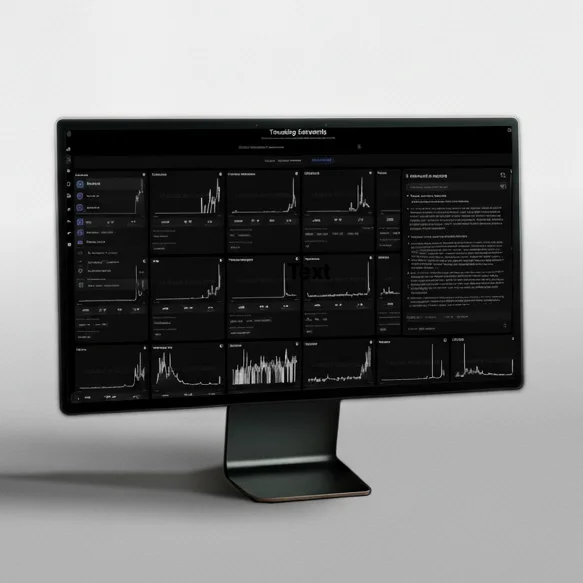
Alternative data (search trends, sentiment, traffic, social, etc.) is most useful when it is easy to combine with the rest of your process. Today that often means exporting CSVs, calling REST APIs from scripts, or logging into a separate platform. Each of those steps adds friction. MCP lets you expose alternative data as resources and tools that AI assistants and agents can use directly. For example:

  • An analyst asks a chat assistant to compare demand trends for a set of tickers; the assistant calls an MCP tool that returns normalized search or sentiment series.
  • A quant runs a backtest and wants to add an alternative data factor; the factor is fetched via an MCP resource or tool instead of a separate pipeline.
  • A research team uses a single AI workspace that has access to both internal memos and live alternative data through different MCP servers.

The benefit is not just convenience. When data is available through a standard protocol, you can switch or add providers without rewriting every integration, and you can give the same AI tools access to multiple datasets (e.g. fundamentals plus alternative data) in one place.


Who offers alternative data via MCP?

The ecosystem is growing. Several providers now offer or have announced MCP servers for financial and alternative data:

  • Traditional and alternative data vendors are adding MCP alongside APIs and platforms, so you can connect AI agents directly to their datasets (e.g. search trends, sentiment, traffic) with the same auth and entitlements you use for API or UI access.
  • Fundamental and filings data providers offer MCP for SEC filings, earnings, and estimates, which pairs well with alternative data in the same workflow.
  • Open or self-hosted MCP servers exist for public market data and other sources, often used by smaller teams or for prototyping.

When evaluating an MCP server for alternative data, it helps to check: which datasets are exposed (search, sentiment, traffic, etc.), whether they are mapped to tickers or themes, how often they update, and whether the server is hosted by the provider or self-hosted. Compliance and auditability (who can access what, and how it is logged) also matter for institutional use.

Paradox Intelligence offers alternative data via platform, API, and an MCP server, so you can connect AI systems (e.g. Claude, Cursor, or in-house agents) directly to their datasets for search, sentiment, social, and other signals. For more on their coverage and integration options, see APIs and Datasets.


Practical use cases

Screening and idea generation. Use an AI assistant with access to alternative data via MCP to screen for names where demand or sentiment is inflecting, or to compare trends across a sector, without leaving the chat or IDE.

Pre-earnings and post-earnings checks. Pull search or sentiment for a ticker (or a product) through an MCP tool to sanity-check expectations or interpret a beat or miss. Combining with earnings calendars and fundamentals in the same client is straightforward when both are behind MCP.

Backtests and factor research. If your quant stack or notebook environment can talk to MCP, you can pull normalized alternative data series as resources or via tools and plug them into backtests alongside price and fundamental data.

Multi-source workflows. Use one AI client connected to several MCP servers: internal docs, a fundamentals provider, and an alternative data provider. The model can combine them in a single answer or workflow instead of you switching tabs and copying data.


Getting started

If you already use an MCP-compatible client (e.g. Claude Desktop, Cursor, or a custom integration), adding an alternative data MCP server is usually a matter of configuration: point the client at the server URL or install the server, authenticate, and then use the exposed resources and tools from your prompts or scripts. Start with one use case (e.g. "trends for this ticker" or "sentiment before earnings") and expand once the workflow is stable.

For more on how alternative data fits into platform and API choices, see Best Alternative Data Platforms 2026. For long-form research, see Research.


- Find Your Plan

This post is for institutional investors and research professionals. It is not investment advice.

BUILT BY INVESTORS, FOR INVESTORS