


News sentiment is widely used in quantitative and discretionary investing. Analysts and funds track the tone of headlines, earnings calls, and social posts to capture narrative shifts and event risk. At the same time, research and practitioner experience suggest that sentiment alone is often a poor standalone signal. The gap is not that sentiment is useless, but that it is most useful when combined with other data and used in a structured way.
This post summarizes when news sentiment helps, when it falls short, and how to use it as part of a broader alternative data strategy.
Why sentiment alone is usually not enough
Several issues limit the value of sentiment as a standalone signal:
Lag and reflexivity. By the time a sentiment score moves sharply, the underlying event or narrative is often already in the price. Trading on sentiment alone can mean buying or selling after the move.
Noise and methodology. Different vendors and methods (keyword-based, ML-based, source weighting) produce different series. Without a clear, consistent definition and a long history, it is hard to backtest or trust the signal.
Lack of context. A single headline can swing a sentiment index without reflecting a lasting change in fundamentals or behavior. Volume of coverage and persistence of tone matter as much as the score on a given day.
Crowding. To the extent that many investors use similar sentiment data, the edge can be arbitraged away. The value often lies in combining sentiment with less crowded inputs (e.g. search, traffic, or proprietary data).
For these reasons, many practitioners treat sentiment as one input among several, not as the primary driver of a trade.
When sentiment adds value
Sentiment is more useful when it is:
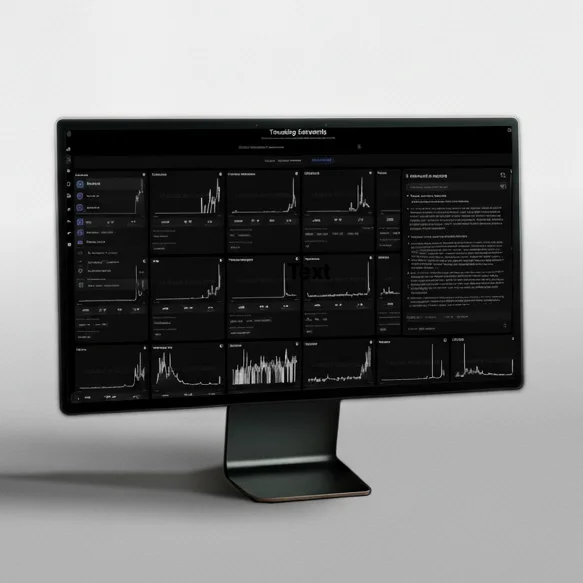
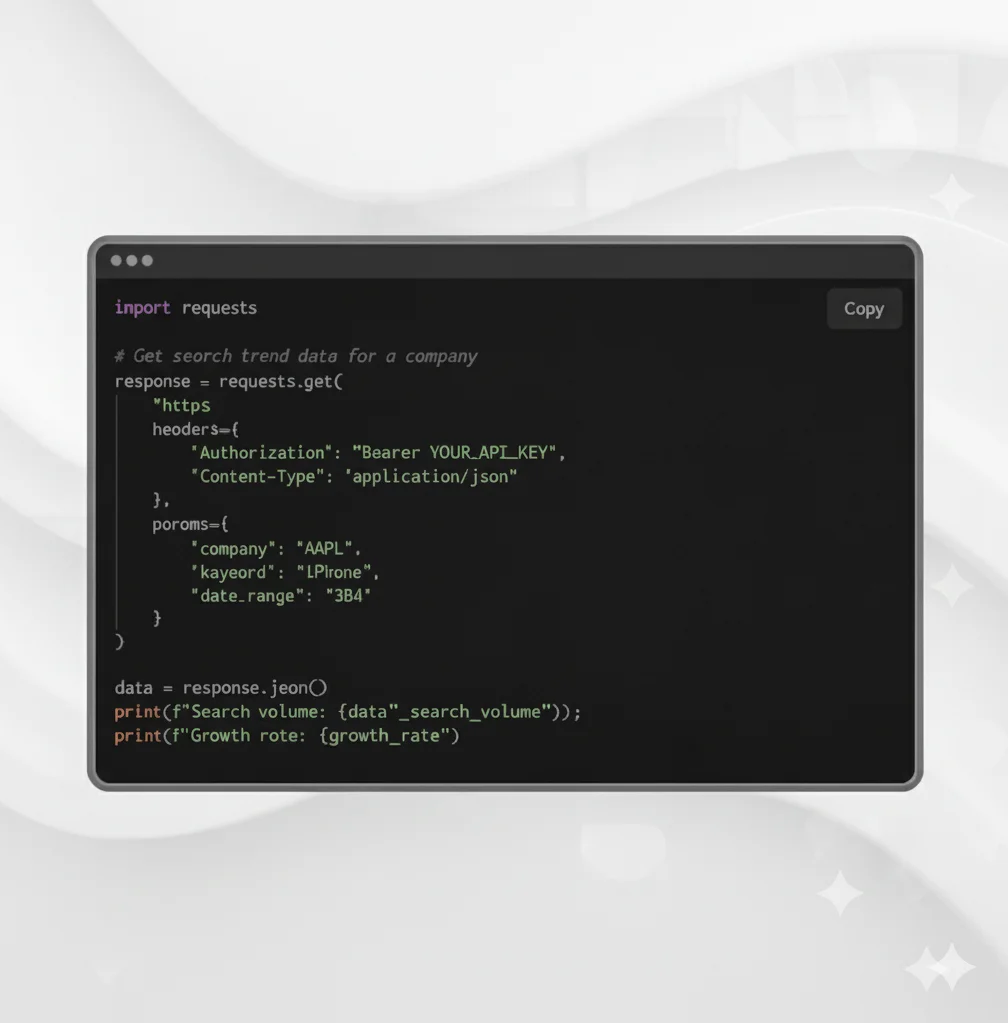
- Combined with other signals. For example, sentiment plus search volume or traffic can help distinguish a one-off news spike from a sustained shift in demand or narrative. Multi-signal frameworks (e.g. Paradox Intelligence, which combines news sentiment with search, social, and other sources) are designed for this.
- Used for risk and context. Sentiment can flag when a name or theme is getting unusually positive or negative attention, so portfolio managers can decide whether to dig deeper or reduce exposure. It is often used for monitoring rather than as a direct alpha signal.
- Measured consistently over time. Same methodology, same universe, and a long history make it possible to test whether sentiment has predictive power in your process and to avoid overfitting to short periods.
- Tied to a thesis. For example, "We think demand is inflecting; does sentiment support or contradict that?" is a more disciplined use than "Sentiment moved, so we trade."
Stay up to date on our best ideas
How to use sentiment in a multi-signal process
A practical approach:
- Define the role of sentiment. Decide whether it is for screening, monitoring, or as one factor in a model. That will determine how you store it, how often you update it, and how you combine it with other data.
- Choose a small set of use cases. For example: earnings-period sentiment, sector or theme sentiment, or event-driven sentiment. Validate on history before scaling.
- Combine with behavioral or outcome data. Pair sentiment with search, traffic, or fundamentals so you can see whether narrative and behavior align.
- Avoid over-trading. Use sentiment to filter or prioritize ideas rather than to trigger trades on every move. Set thresholds and require confirmation from other data or research.
Platforms that offer news sentiment alongside search, social, and other alternative data (e.g. datasets) reduce the work of building and maintaining a multi-signal setup.
Bottom line
News sentiment is a standard tool in the alternative data toolkit, but it is rarely sufficient on its own. It is most valuable when used with other sources, with a clear methodology, and with a defined role in the investment process. For more on combining data types and building signal, see Best Alternative Data Platforms 2026 and Research.
Explore the data
This post is for institutional investors and research professionals. It is not investment advice.