


AlphaSense is one of the most widely used research platforms among institutional investors. Paradox Intelligence is an alternative data provider focused on behavioral and digital signals. Both appear regularly in discussions about investment research tools, but they are built for different jobs. This post compares them directly.
What each platform does
AlphaSense is an AI-powered search and market intelligence platform. It indexes tens of thousands of documents: earnings call transcripts, SEC filings, broker research, news articles, and company presentations. Its core capability is search and NLP across that document corpus, so an analyst can search a concept across years of transcripts, surface sentiment trends in language, or find mentions of a competitor across research reports. It is a qualitative research accelerator that makes text-based intelligence faster and more comprehensive.
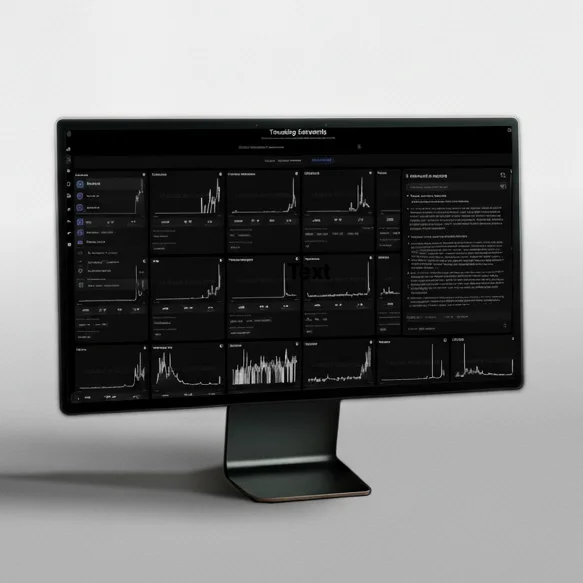
Paradox Intelligence is a behavioral alternative data platform. It captures and normalizes what people are doing across digital channels and delivers that as structured, ticker-mapped time series. It is a quantitative signal source that measures consumer attention and demand intent before it shows up in earnings or disclosures.
The distinction is text versus behavior, qualitative versus quantitative.
Signal categories: what each platform covers
| Signal category | Paradox Intelligence | AlphaSense |
|---|---|---|
| Search trends | Yes | No |
| Social media trends | Yes | No |
| Consumer interest & shopping signals | Yes | No |
| News sentiment (structured, normalized) | Yes | Partial (via NLP on documents) |
| Text & document intelligence | No | Yes (core feature) |
| Earnings call analysis | No | Yes |
| Broker research search | No | Yes |
| Normalized time series output | Yes | No |
| Ticker mapping | Yes | Yes |
| MCP server | Yes | No |
AlphaSense gives you intelligence about what is being said about companies. Paradox gives you intelligence about what people are doing in relation to those companies.
Stay up to date on our best ideas
How the signal types differ in practice
AlphaSense excels at surfacing information that lives inside documents: what a CFO said about margins three quarters ago, how the sentiment in earnings language has shifted over time, whether a competitor's name is appearing more or less frequently in research. The signal is language and narrative. It requires reading and interpretation.
Paradox Intelligence delivers structured numeric series across signal categories: search trends, social engagement, consumer interest, and news sentiment. The signal is behavior. It does not require reading documents; it feeds directly into a model, screen, or monitoring dashboard.
These are complementary information types. A company's transcript may say demand is strong. The search trend for its core product is an observable, independent check on that claim.
Primary use cases
AlphaSense is well suited for: - Comprehensive search across filings, transcripts, and research reports - Tracking how a company's language and narrative has shifted over time - Competitive intelligence drawn from what is written about a company or sector - Thematic research that requires synthesizing large volumes of documents quickly - Qualitative due diligence where the signal is in language, not in behavioral data
Paradox Intelligence is well suited for: - Pre-earnings demand checks across search trends and consumer interest signals - Detecting behavioral inflection points before they appear in financial results - Screening sectors for demand or sentiment shifts in real time - Building quantitative factors from behavioral signals for systematic strategies - Multi-category monitoring: one ticker, multiple digital signal types, normalized and comparable
A practical scenario: consumer stock before earnings
Before earnings for a consumer brand, an analyst might want to:
- Check whether the language in recent earnings calls signals confidence or caution (AlphaSense)
- Check whether search and shopping demand for the company's core product is up or down versus the prior quarter (Paradox Intelligence)
- Check whether news sentiment has shifted in the past 30 days (both platforms, different methodologies)
Step 1 requires reading and interpreting text. Steps 2 and 3 are numeric series that can be checked in minutes. The value of Paradox is that behavioral signals are independent of management language and disclosure timing: they reflect actual consumer activity, not what executives chose to say about it.
Pricing and audience
AlphaSense is priced for large institutional teams: investment banks, hedge funds, and asset managers with significant research operations. It is primarily a tool for analysts and PMs who do document-intensive research. Pricing varies by team size and module.
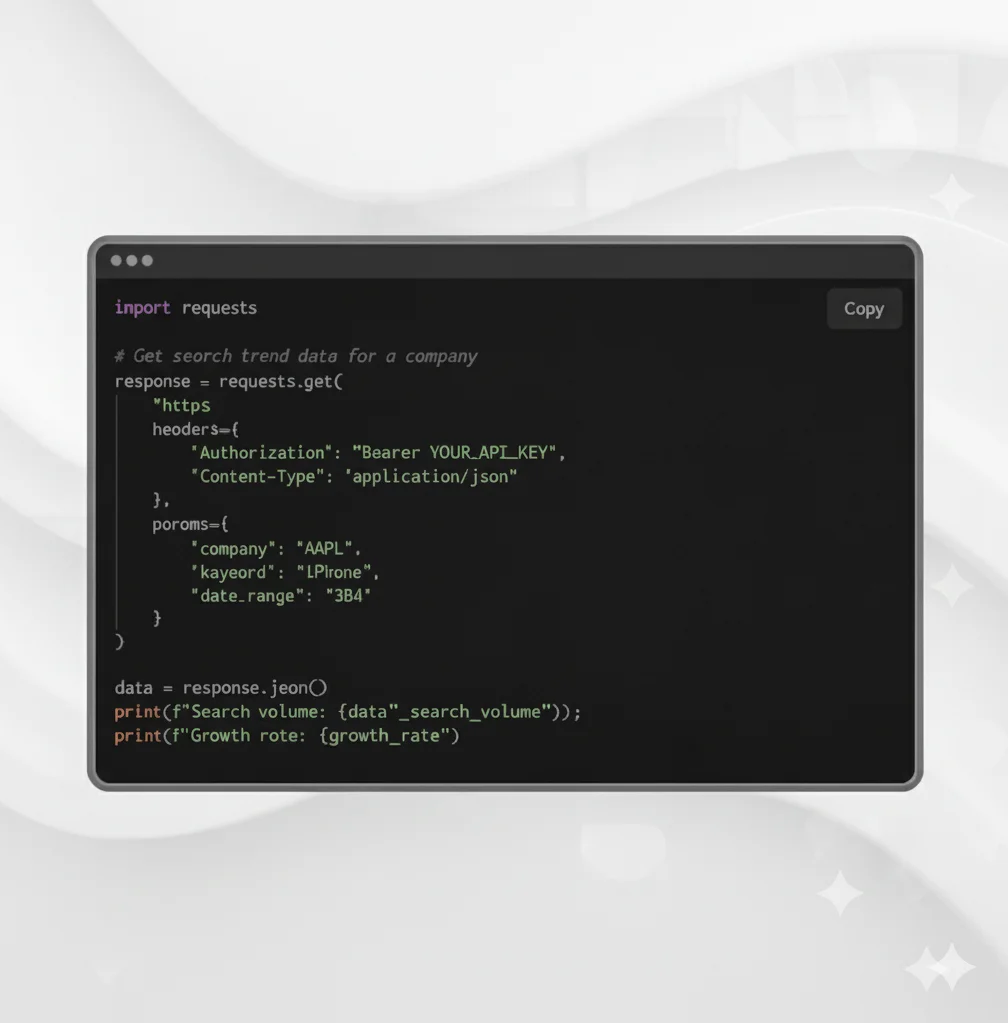
Paradox Intelligence is priced for institutional access and suits both research analysts and quantitative teams. The platform, API, and MCP server allow flexible integration into different workflows. For details, see Datasets or book a demo.
Do you need both?
Funds that do serious fundamental research often use AlphaSense or a comparable document intelligence tool alongside behavioral alternative data. The qualitative and quantitative signal categories are different enough that one does not replace the other. A team that already has document search covered and is looking for a behavioral demand signal to complement it is a natural fit for Paradox Intelligence.
Teams building out an alternative data capability for the first time should clarify the gap first: if you need to search transcripts and filings faster, AlphaSense addresses that. If you need to know whether consumer behavior online is pointing toward a beat or miss before the quarter closes, Paradox addresses that.
For a broader comparison of alternative data platforms, see Best Alternative Data Platforms 2026. For long-form research and methodology, see Research.
- Find Your Plan
This post is for institutional investors and research professionals. It is not investment advice. Product details are subject to change; verify with providers directly.