


Advanced packaging is no longer a quiet back office step for AI accelerators. Trade reporting in early April 2026 frames CoWoS style capacity at TSMC as a binding constraint even while wafer supply grows, with hyperscalers reportedly probing Intel packaging options and OSAT partners taking incremental load. That story now shows up as a measurable inflection in public attention, not only as commentary.
Why consensus still underweights the packaging step
Most earnings models still center wafer starts, DRAM pricing, and accelerator unit demand. Advanced packaging sits lower in the stack, so capacity tightness can look like a temporary execution issue until it shows up as shipment slips, mix limits, or customer driven dual sourcing. The market also anchors on TSMC as the default solver, which can obscure how much spillover flows to Amkor and other OSAT names and to Intel when customers need a second path.
What the data shows right now
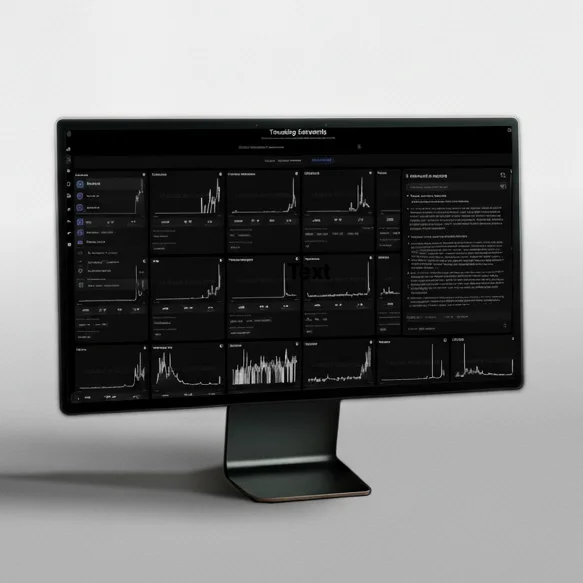
Paradox Intelligence Google News normalization for the phrase “CoWoS packaging” printed at 69 on the week of April 4, 2026 versus a 0 reading on the January 3, 2026 baseline used in the point to point window, which indicates a step change in editorial volume rather than a slow drift. Google Search interest for “CoWoS” itself was lower on April 4 than in January in the same normalization framework, which suggests the surge is news led rather than a generic retail search fad.
Paradox Alerts on April 10, 2026 clustered multiple independent headlines on packaging bottlenecks and CPU side constraints in AI inference, which is consistent with a supply chain story that is broadening beyond a single vendor press release.
The investable bridge
Taiwan Semiconductor Manufacturing Company Limited (TSM, NYSE), last quoted near $370.6 on the feed used for this note, monetizes leading edge logic but increasingly competes on packaging service intensity for AI and HPC customers. When CoWoS style lines fill, revenue can remain strong while mix shifts toward packaging rich flows that stress capital intensity and partner coordination.
Amkor Technology, Inc. (AMKR, NASDAQ), last near $57.96, books about 83% of revenue into Advanced Products for fiscal 2025 in the segmentation snapshot used here, which ties directly to high end flip chip and fan out demand from compute and networking end markets. Intel Corporation (INTC, NASDAQ), last near $62.38, benefits when customers treat EMIB and Foveros as a credible relief valve even if volume starts small relative to TSMC.
NVIDIA Corporation (NVDA, NASDAQ), last near $188.63, remains the demand flywheel because each incremental accelerator package requires matched CoWoS or equivalent capacity. Packaging tightness can translate into longer lead times and pricing power, but it can also cap unit growth if OSAT relief arrives late.
Risks and failure modes
The signal weakens if headlines outrun actual line utilization, if TSMC adds enough packaging capacity to clear the queue quickly, or if accelerator demand itself slows so packaging stops binding. A soft TSMC guide on April 16, 2026 paired with stable customer lead times would argue the bottleneck narrative overshot.
What to monitor next
Watch TSMC’s March quarter commentary on April 16, 2026 for explicit CoWoS and advanced packaging utilization language, plus any change in capex directed to AP sites. Track Google News intensity for “CoWoS packaging” and “Intel EMIB” over the following two weeks for confirmation that sourcing stories stay active. Follow Amkor’s next print for mix comments on compute focused advanced packages.
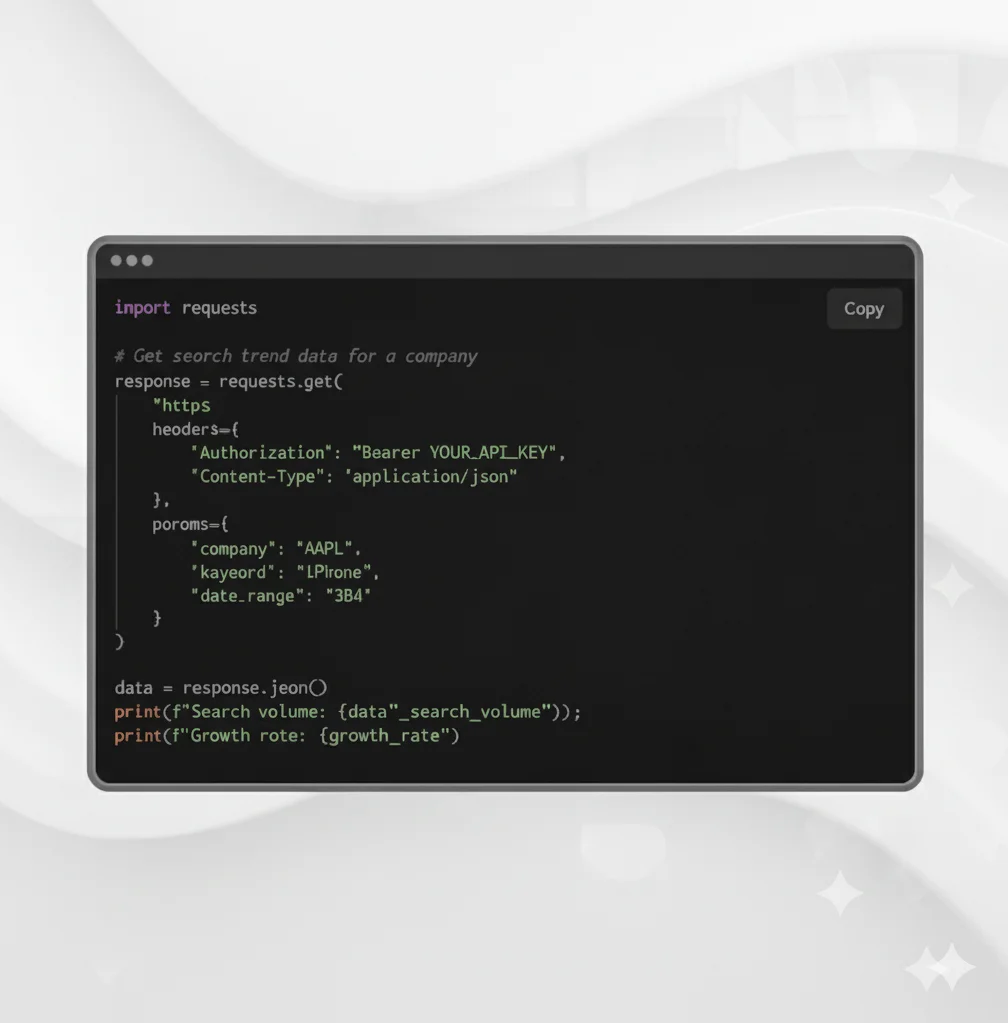
For related methodology on how search and news volume map to supply chain stress, see supply chain intelligence for investors and Amazon search intelligence for investors.
This is for informational purposes only and does not constitute investment advice.