
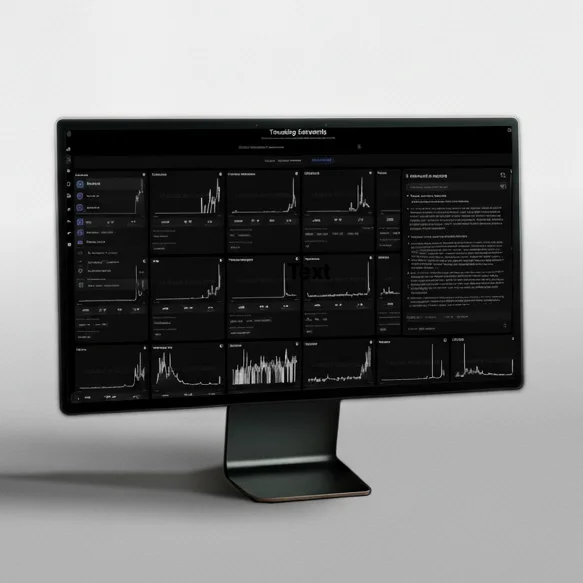


Liquefied petroleum gas tanker demand has a supply constraint forming that most energy investors are tracking through the oil lens rather than the gas lens. Paradox Intelligence News Volume data for "LPG" shows a 330% year-over-year increase as of April 4, 2026, with daily volumes running at 3,240 articles against a baseline of 752 a year ago. The news volume signal has been elevated since early 2026 and has not normalized, consistent with a structural demand shift rather than a single news cycle.
The mechanism is straightforward: Hormuz disruptions have forced tankers carrying LPG from the Gulf to circumnavigate, adding thousands of nautical miles to typical routes. More miles on the same vessel fleet means tighter effective supply. Tankers charging premium day rates and burning more fuel per cargo are a different economic proposition than a tanker on a direct route.
Why This Is Structural
The Strait of Hormuz carries approximately 20% of global LPG exports. Saudi Arabia, Kuwait, and the UAE are the primary Gulf LPG producers. When tankers cannot move through Hormuz reliably, they must either divert around the Cape of Good Hope or wait for safe passage. The round-trip on the Cape route adds roughly 6,000 to 8,000 nautical miles versus a direct Hormuz transit to Europe, extending the voyage by 10 to 14 days at normal speeds.
In a very large gas carrier (VLGC) fleet that is not growing rapidly, an effective 15-20% increase in voyage length across a meaningful share of global cargo is not a temporary inefficiency. It is a demand increase on a fixed supply of vessel capacity. Fleet additions in the VLGC segment take 24 to 36 months from order to delivery. The order book for LPG carriers was not particularly deep heading into the crisis. That lead-time constraint is what makes this structural rather than cyclical.
Paradox Alerts early signals from the past week flagged "stockpiling" and "strategic reserve depletion" themes in the context of LPG, with India specifically facing supply disruptions that pushed domestic LPG prices higher and forced factories to restart after periods of shortage. The Paradox Alerts "Chokepoint" category has been consistently populated with Hormuz-related articles for the past six weeks, establishing that the disruption is not a single-day event.
Evidence Across Sources
Paradox Intelligence News Volume for "LPG": - April 4, 2026 normalized index: 58.4 - 3-month growth: +305.6% (from a reading of 14.4 in early January 2026) - 6-month growth: +363.5% (from 12.6 in early October 2025) - 12-month growth: +329.4% (from 13.6 in early April 2025)
The persistence of the elevated reading across all three time windows establishes that this is a sustained demand signal, not a one-week anomaly.
Paradox Alerts "Severe shortage" category included headlines in late March noting: "LPG shortages trigger inflationary spike in India as Middle East conflict persists" (March 29) and "After Weeks of Shortage, LPG Supply Rises to 70%, Factories Restart" (March 30). The on-and-off supply oscillation is consistent with a market operating very close to its physical limits, where any disruption tips countries into shortage.
Crude tanker news volume has also been elevated in the same data, but LPG is the less-covered leg of the shipping disruption story. Oil tanker routes and rates have received significant mainstream coverage; the LPG tanker constraint has received materially less, which is where the information asymmetry sits.
The Exposed Equity Universe
Direct beneficiaries:
Dorian LPG (NYSE: LPG, market cap $1.48 billion at $34.62) operates a fleet of 22 very large gas carriers. VLGCs are the primary vessels for Gulf-to-Asia and Gulf-to-Europe LPG routes, exactly the trade lanes most affected by Hormuz disruptions. Longer route miles directly translate to higher charter day rates and higher revenue per vessel. The stock has traded between $17.25 and $38.40 over the past year and sits at $34.62, near the top of that range, suggesting the market has partially priced the Hormuz effect but may not have captured the duration.
Navigator Holdings (NYSE: NVGS, market cap $1.30 billion at $19.92) operates 53 semi- and fully-refrigerated liquefied gas carriers, carrying LPG, petrochemical gases, and ammonia. Its fleet serves both long-haul and regional trades, giving it exposure to both the Hormuz disruption directly and the downstream effects on regional gas markets. NVGS trades at roughly 5.8x trailing earnings, a low multiple for a company whose core demand driver has materially improved.
Second-order beneficiaries:
Crude tanker operators like DHT Holdings (NYSE: DHT, market cap $3.0 billion at $18.66) and International Seaways (NYSE: INSW, market cap $3.7 billion at $75.38) benefit from the broader tanker market tightening. Crude tanker day rates have moved sharply higher as vessels divert around Hormuz, and the fleet capacity constraints are similar in structure. Crude tanker news volume was up 100% over the past three months and 75% year-over-year in the Paradox Intelligence data, confirming the same underlying dynamic is present.
Companies at risk:
Industrial consumers of LPG in Europe and Asia, particularly petrochemical producers who use LPG as a feedstock, face higher input costs and potential supply disruptions. Fertilizer producers using natural gas-related feedstocks are in a similar position. The Paradox Alerts "Supply Squeeze" category included a recent headline on fertilizer supply squeeze deepening from the Iran conflict, pointing to downstream industrial exposure beyond just the energy sector.
What Could Change the Thesis
A ceasefire or diplomatic resolution that reopens Hormuz to normal commercial traffic would immediately reverse the ton-mile premium. The demand signal would normalize quickly, and day rates would fall from elevated levels. This is the primary thesis risk and it is meaningful. The conflict has lasted over a month with no clear resolution timeline, but geopolitical situations of this type can shift quickly.
New VLGC deliveries over the next 12 to 18 months from the order book would add supply into the market. If the conflict persists and the order book delivers on schedule, the day-rate premium would gradually erode. The timeline is long enough that the near-term setup remains favorable.
Demand destruction is a secondary risk. High LPG prices in importing countries could prompt switching to alternative fuels or reduce industrial consumption, softening the ton-mile demand that is currently supporting freight rates.
Monitoring Signals
Paradox Intelligence News Volume for "LPG" and "tanker shipping" in May and June. A confirming signal is continued elevated readings above 50 on the normalized index. A falsifying signal is a rapid normalization back toward the pre-conflict baseline of 12-14.
Hormuz transit data, which is publicly reported through the Anadolu Agency and other shipping intelligence services. Crossings above 200 per month indicate normal commercial traffic; below 150 would represent significant disruption that sustains the constraint.
Dorian LPG and Navigator Holdings quarterly charter rate disclosures, expected with their next earnings reports, will confirm whether day rates are running above the prior period.
This is for informational purposes only and does not constitute investment advice.