


Most investment teams still operate with a layered research stack: terminals, spreadsheets, point data vendors, and ad hoc scripts. That model can work, but it often slows idea flow and creates blind spots in fast-moving markets.
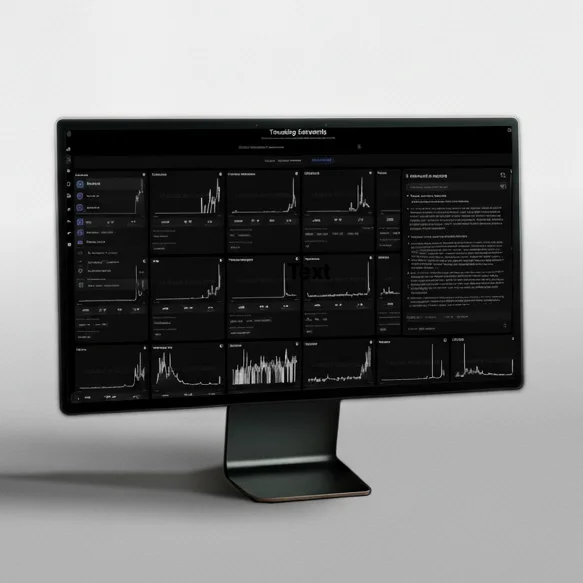
A market intelligence platform offers a different model: unified multi-source signal detection, entity mapping, and monitoring in one workflow.
The right choice depends on your team structure and decision speed requirements.
The core trade-off
Traditional stack strengths:
- familiar tools and established process
- deep customization over time
- strong fit for teams with large internal data engineering
Traditional stack weaknesses:
- fragmented views across sources
- high maintenance burden
- slower response to emerging signals
Market intelligence platform strengths:
- faster cross-source discovery
- cleaner signal-to-entity mapping
- less workflow fragmentation
Market intelligence platform weaknesses:
- less control than fully custom systems
- dependency on vendor roadmap
Decision factors for buy-side teams
1) Speed to insight
If analysts spend too much time reconciling sources, a unified platform usually wins.
2) Breadth vs depth needs
If your workflow requires broad behavioral coverage across sectors, platforms tend to offer better starting efficiency. If you need one niche dataset with heavy custom modeling, point solutions may still be better.
3) Team composition
Small to mid-sized teams often benefit most from platform-led workflows. Large quant teams may choose a hybrid model with platform plus custom pipeline layers.
4) Total operating cost
Tool sprawl creates hidden costs:
- duplicated vendor spend
- analyst time lost in reconciliation
- engineering time spent on maintenance
A platform can reduce these, even when direct subscription cost looks higher.
Stay up to date on our best ideas
Where hybrid architecture is often best
Many institutional teams now use:
- one primary market intelligence platform for discovery and monitoring
- one or two specialist datasets for edge cases
- internal models for strategy-specific signal interpretation
This model balances speed with control.
Signs your current stack is no longer sufficient
- Signals are detected after consensus has already moved
- Analysts spend more time cleaning than researching
- Cross-sector monitoring is inconsistent
- Integration projects never fully complete
- PMs cannot easily trace signal provenance
If two or more of these are true, your current architecture is probably constraining alpha generation.
2026 recommendation for most teams
Start with a platform-led core, then layer specialized tooling only where clear incremental value exists. This sequence usually produces faster improvements in research throughput and signal quality than rebuilding everything internally.
How Paradox Intelligence supports a platform-led model
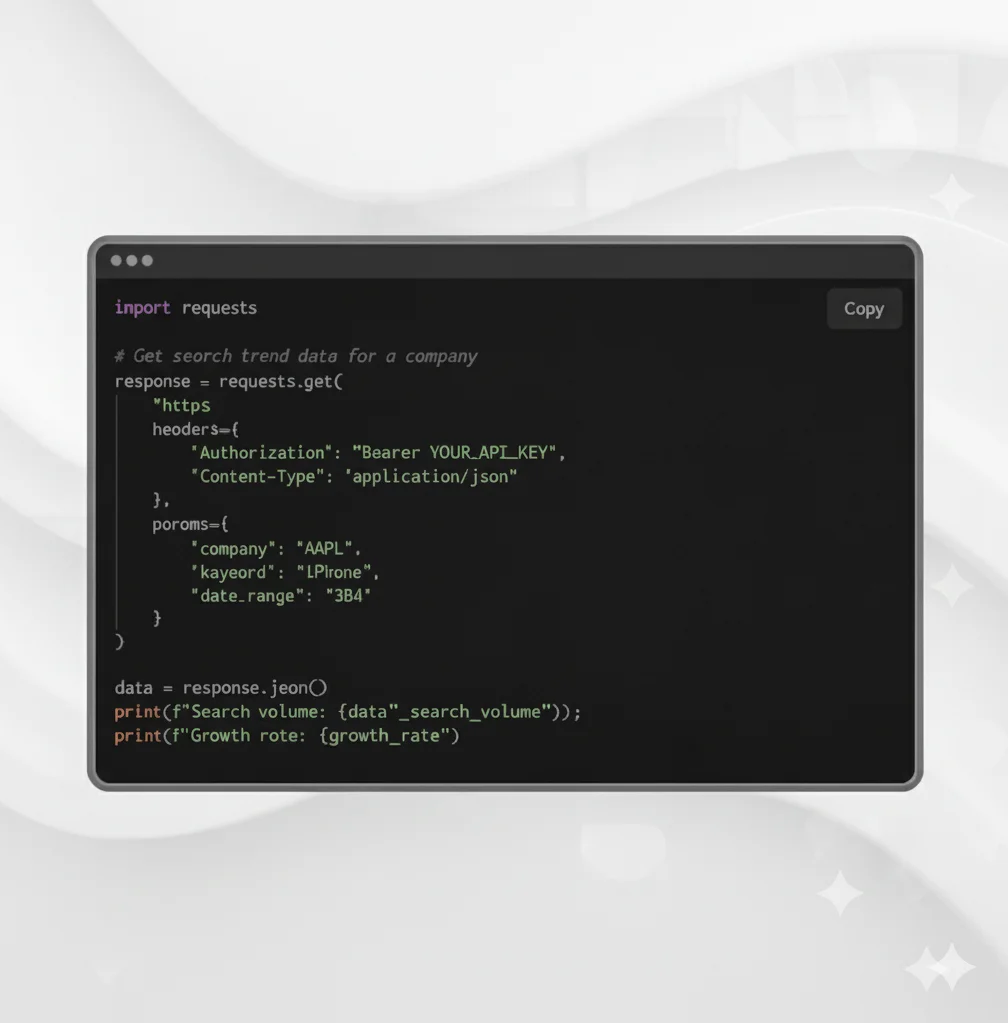
Paradox Intelligence combines multi-source behavioral data, investable mapping, and monitoring workflow so teams can move from idea discovery to decision support faster. API access enables integration into existing quant and internal analytics stacks.
See Datasets, explore APIs, or book a demo.
Related reading
- Best Alternative Data Platforms 2026
- How to Evaluate an Alternative Data Vendor
- Multi-Source Alternative Data Integration