


The alternative data market is large and growing. So is the gap between buying data and actually using it. In recent surveys, roughly 71% of investment managers cite combining data from different sources as their most frustrating challenge, and 79% to 85% say integrating multiple sources is a major obstacle. Fewer than 15% of hedge funds have successfully integrated alternative data at scale. The bottleneck is often not data availability but integration: different schemas, different identifiers, different update cycles, and no single place to evaluate and compare signals.
This post outlines why multi-source integration fails in practice, what has been shown to work, and how to shorten the path from vendor to production.
Why integration fails in practice
Different identifiers and schemas. One vendor maps keywords to tickers; another uses company names or proprietary IDs. A third delivers daily series; a fourth delivers weekly. Without a common key (e.g. ticker, date, entity ID) and a common time grain, you cannot join datasets in a repeatable way. Data engineers spend weeks or months building and maintaining mapping layers, and small changes in vendor output can break pipelines.
Format and update heterogeneity. CSV from one provider, JSON from another, different column names and units (indexed vs absolute, per-share vs aggregate). Update schedules differ: some data is T+1, some is weekly, some is real-time. Aligning these in one workflow requires custom ETL, documentation, and ongoing maintenance. Many teams underestimate this cost when they add a second or third vendor.
Evaluation in silos. If each dataset lives in a different system or spreadsheet, it is hard to compare signals side by side, to backtest a combined strategy, or to check whether a new dataset adds incremental information. The "data evaluation" stage is cited by 43% of managers as the most challenging part of the alternative data workflow. Without a unified view, evaluation stays fragmented and slow.
Governance and compliance. Multiple vendors mean multiple contracts, different data lineage and provenance, and different policies on redistribution and derived data. Compliance and legal spend grows with each new source. Centralizing access through one platform or a small set of well-defined APIs can reduce that burden.
What works: normalization and a single surface
Normalized, ticker-mapped data. When a vendor delivers search, sentiment, and other series already mapped to the same ticker and date schema, you avoid building and maintaining those mappings yourself. You can join on ticker and date and focus on signal logic instead of ETL. The value is not only in the data but in the reduction of engineering and the speed to backtest and deploy.
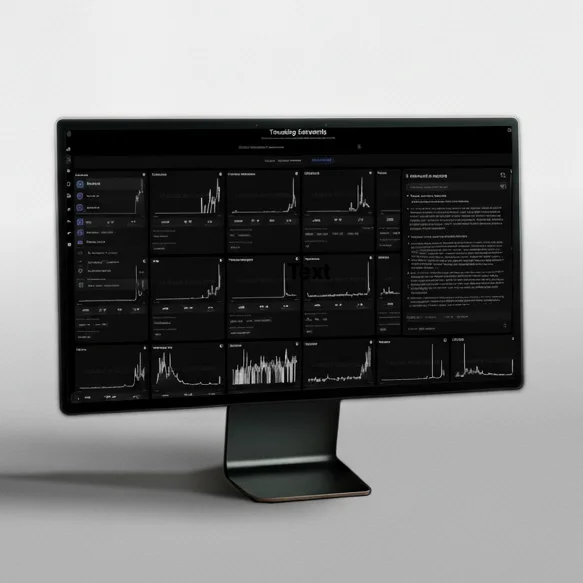
One platform for discovery and comparison. A single interface where you can search by keyword or ticker, view multiple data types for the same entity, and compare time series side by side shortens the evaluation phase. You can answer "Does this new signal add to what we already have?" without moving data across systems. Platforms that offer Catalyst Search, Company Search, and Analyse (multi-keyword, multi-ticker comparison) are built for this.
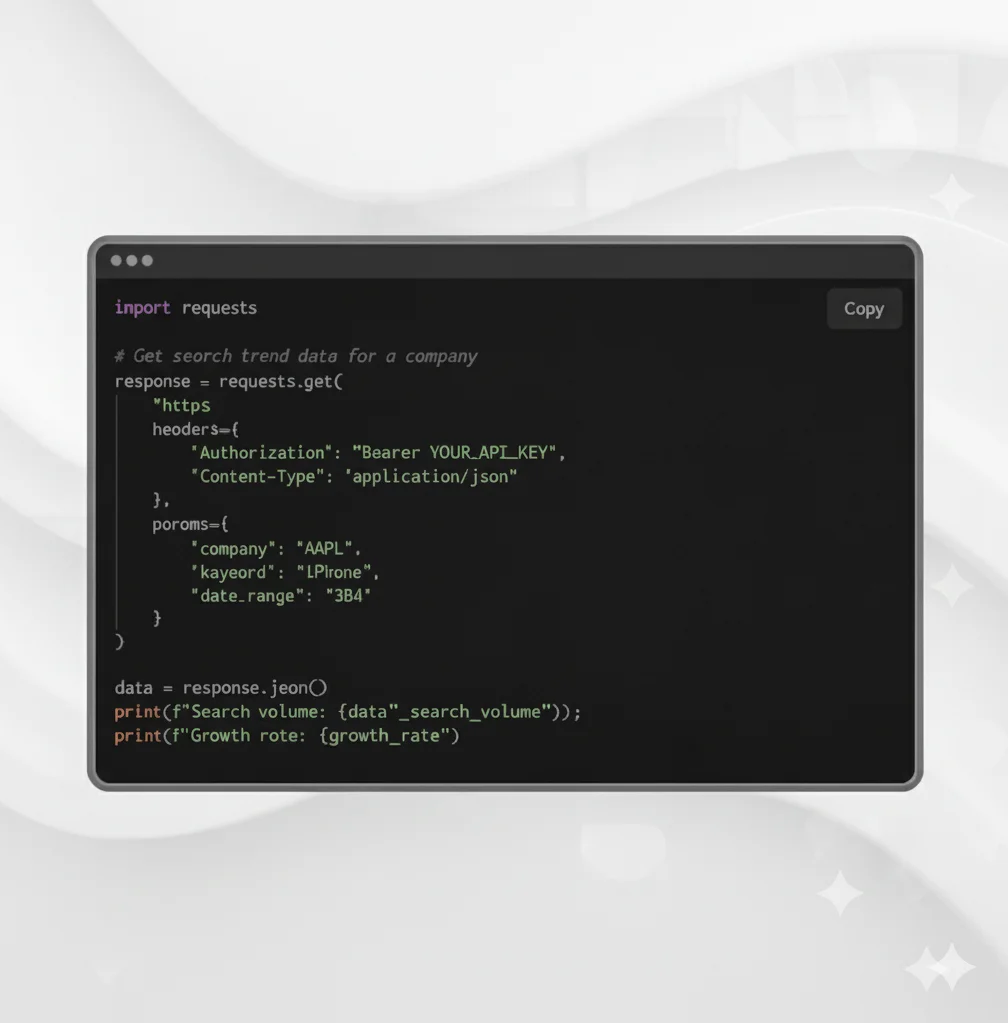
Unified API and consistent schema. When all datasets are available through one API with a consistent response shape (ticker, date, value, source), integration into quant systems and research tools is faster. One set of credentials, one documentation set, and one pipeline to maintain. Adding a new data type becomes a configuration change rather than a new integration project.
Pre-defined data catalog. A clear catalog of what is available (e.g. Paradox Intelligence Datasets) with methodology and coverage reduces the time to discover and onboard new series. When the same vendor adds a new source, it is often delivered in the same schema and through the same API, so integration cost stays low.
Stay up to date on our best ideas
What to look for when evaluating vendors
- Coverage and mapping. Does the vendor map all series to a standard identifier (e.g. ticker) and provide a coverage list? Can you filter by sector, geography, or date range?
- Multi-source in one place. Does the vendor offer multiple data types (search, social, news, traffic, etc.) in one product, or do you have to stitch together several separate products and contracts?
- API and documentation. Is there a single API for all datasets? Is the schema consistent (same fields, same units)? Is there clear documentation and, where relevant, an MCP server or similar for AI/agent workflows?
- Update frequency and latency. Are update schedules and lags documented? Can you get the data in the format and timing you need for your process?
- Evaluation support. Can you compare multiple series and multiple entities in the same interface? Can you export or query history for backtesting?
Bottom line
Multi-source alternative data integration fails when each source has different identifiers, formats, and update cycles, and when there is no single place to discover, evaluate, and combine signals. It works when data is normalized and mapped to a common schema, when multiple data types are available from one vendor through one API, and when the platform supports discovery and comparison so you can evaluate and backtest without building custom ETL for every new source.
For more on choosing and evaluating vendors, see How to Evaluate an Alternative Data Vendor and Best Alternative Data Platforms 2026. For long-form research, see Research.
This post is for institutional investors and research professionals. It is not investment advice.